Work
Archive
2026
Archive
2026
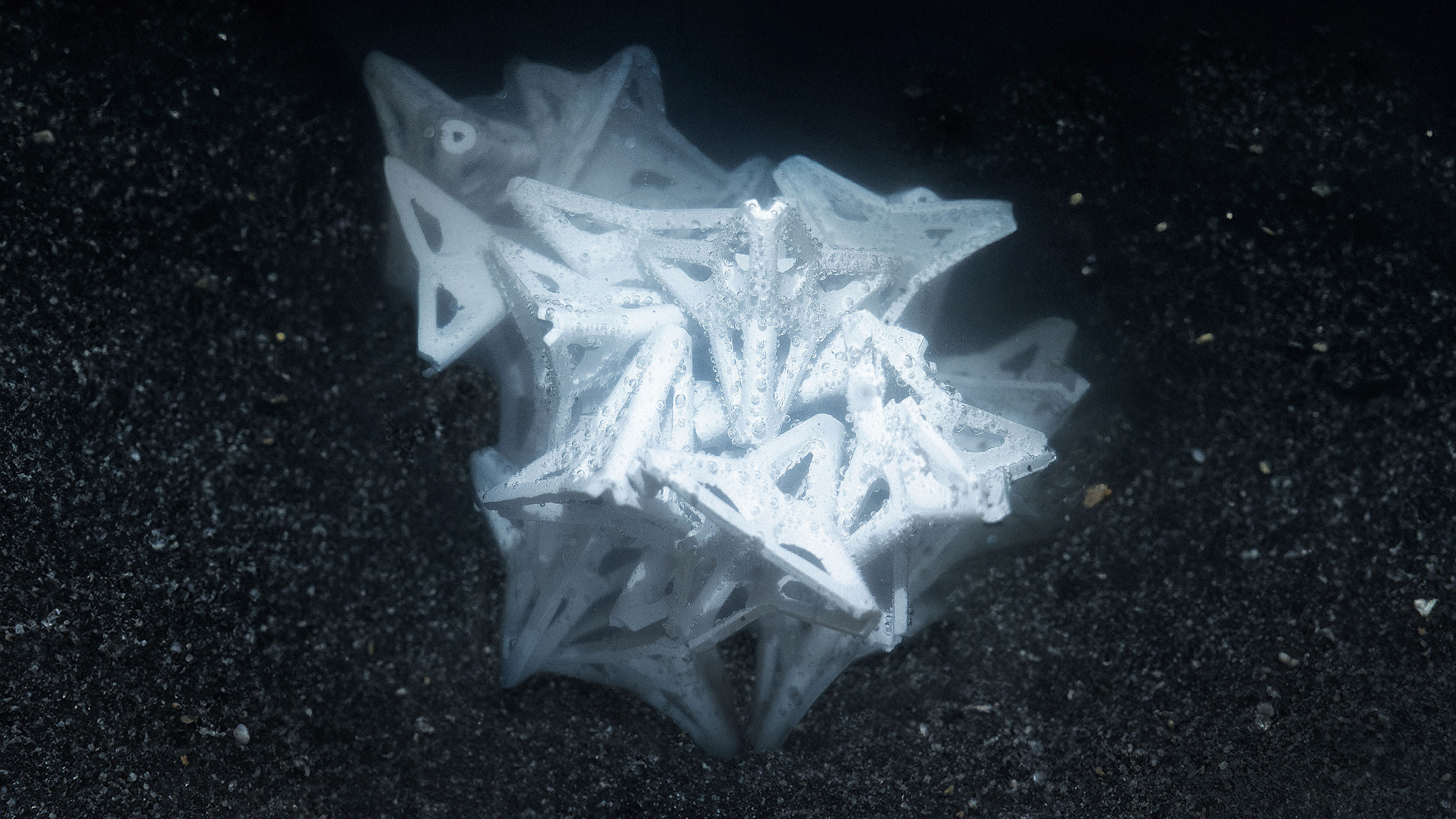
Breakwater Enhancement
Redesign Tetrapod Structures for A Resilient Coastal Environment and Marine Ecosystem Rehabilitation
Type
Academic Research
Design Experiment
Design Experiment
Status
On-going Research
On-going Research
Class
Master’s Thesis
Advisors
David Costanza
Jenny Sabin
David Costanza
Jenny Sabin
Abstract
Global coastal erosion, exacerbated by climate change, poses a pressing threat with widespread repercussions, necessitating innovative and sustainable solutions. Tetrapod structures, while effective in coastal defense, suffer from their drawbacks, including substantial carbon emissions from concrete usage, limited mobility and deployability due to their massiveness, scalability challenges in fabrication, and their non-ecofriendly density, which hinder their overall efficacy.
This thesis addresses these limitations by leveraging computational design, digital fabrication, and alternative materials to improve tetrapod structures. The goal is to transform them into a more sustainable and ecologically friendly coastal protection solution. Through mitigating carbon emissions, enhancing mobility, and reducing ecological impact, the proposed optimizations aim to make tetrapod structures a powerful force for protecting coastlines and rehabilitating marine ecosystems. This research advocates for a revitalized approach to coastal defense, considering environmental and practical factors in the face of a growing global coastal crisis.
Global coastal erosion, exacerbated by climate change, poses a pressing threat with widespread repercussions, necessitating innovative and sustainable solutions. Tetrapod structures, while effective in coastal defense, suffer from their drawbacks, including substantial carbon emissions from concrete usage, limited mobility and deployability due to their massiveness, scalability challenges in fabrication, and their non-ecofriendly density, which hinder their overall efficacy.
This thesis addresses these limitations by leveraging computational design, digital fabrication, and alternative materials to improve tetrapod structures. The goal is to transform them into a more sustainable and ecologically friendly coastal protection solution. Through mitigating carbon emissions, enhancing mobility, and reducing ecological impact, the proposed optimizations aim to make tetrapod structures a powerful force for protecting coastlines and rehabilitating marine ecosystems. This research advocates for a revitalized approach to coastal defense, considering environmental and practical factors in the face of a growing global coastal crisis.
Domains of Consideration:
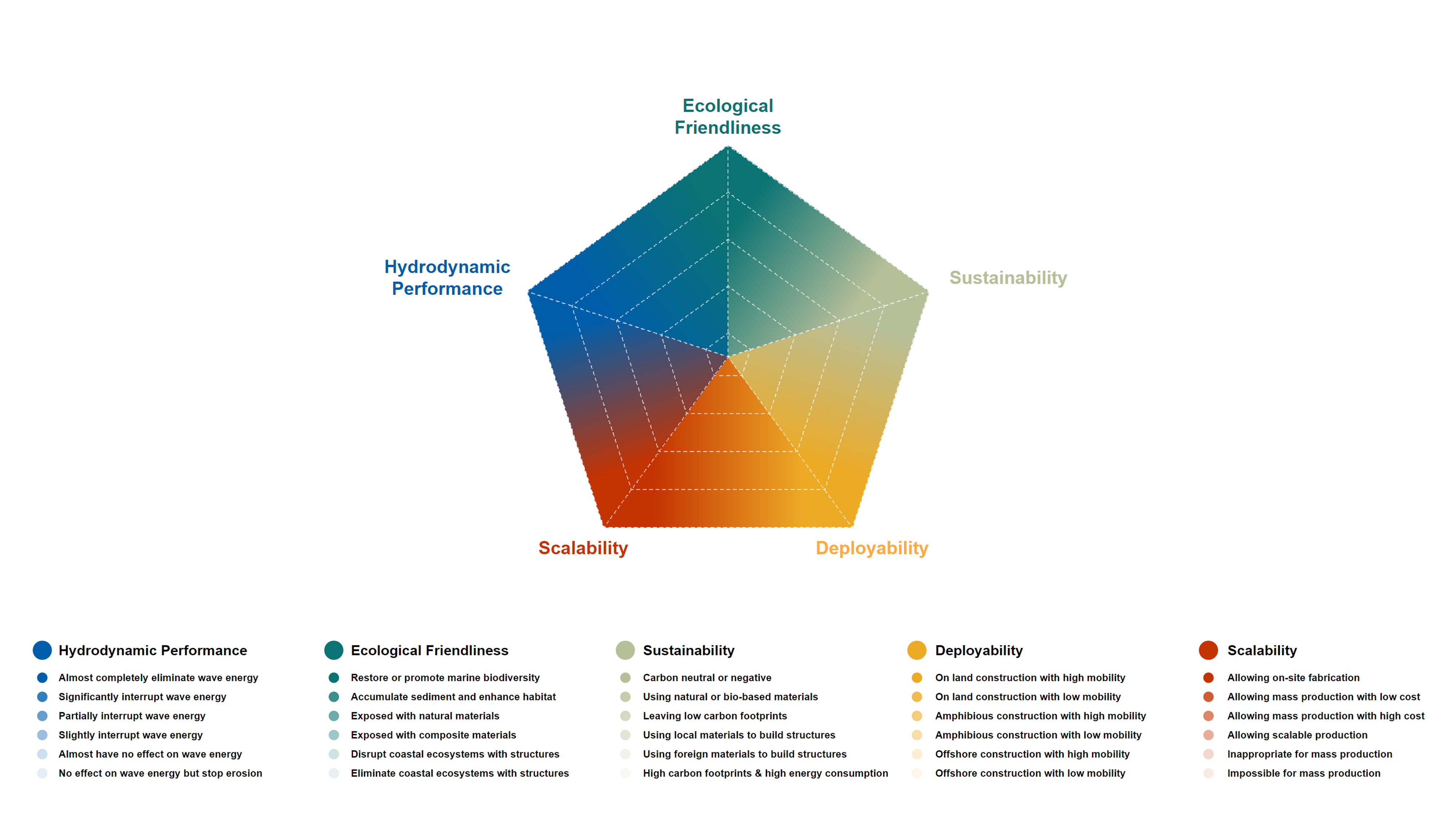
In outlining the scope of consideration to initiate a design methodology, the researcher employed a graphical representation in the form of a pentagonal chart. The devised criteria encompass five distinct domains. Each of these attributes is graded on a scale of five levels to represent the solution's capabilities. Further, the research initiative begins its design experiment by incorporating the tetrapod structure as a fundamental principle; the decision is based on the many advantages that this innovative design offers.
Advantages of Tetrapod:
- Tetrahedral Shape for Wave Energy Dissipation: the tetrapod's tetrahedral shape is not only a design feature but also serves as a dynamic solution for wave energy dissipation. By allowing water to flow around rather than against it, the tetrapod efficiently mitigates the tidal forces of incoming waves, showing adaptability to varying wave patterns and intensities.
- Interlocking Design for Enhanced Stability: by leveraging the benefit of tetrahedral shape, the interlocking feature of the tetrapod contributes to its adaptability by ensuring stability in diverse coastal conditions. Whether facing moderate waves or intense storm surges, the interlocking mechanism enhances the structure's resilience, adapting to the fluctuating demands of coastal protection.
- High-Density Concrete for Long-Term Performance: the use of high-density concrete not only ensures durability but also amplifies the scalability of the tetrapod's contribution to coastal protection. Its robust composition allows for widespread implementation in diverse coastal environments, making it a steadfast and reliable solution on a global scale.
- Adaptability to Various Coastal Conditions: the tetrapod's design inherently adapts to a spectrum of coastal conditions, offering versatility in deployment. From sandy shores to rocky coastlines, the tetrapod's adaptability ensures its efficacy across diverse environments, presenting a solution that caters to the unique challenges posed by different coastal landscapes.
- Scale of Contribution to Global Coastal Protection: widely recognized as the most employed structure globally for coastal protection, the tetrapod's scalability is distinct evidence of its effectiveness. Enhancing its design or creating viable substitutes holds the potential for monumental contributions. Innovations in this realm not only improve the resilience of existing structures but also open avenues for broader applications, addressing coastal protection needs on a global scale.
In conclusion, the tetrapod's advantages extend beyond its immediate functionality, encompassing adaptability to various coastal conditions and scalability for global contributions. The design experiment acknowledges the pivotal role of the tetrapod in coastal protection while exploring the potential to enhance its design, aiming for a transformative impact on coastal resilience worldwide.
Drawbacks of Tetrapod:
Although many advantages become evident, there are also some drawbacks. In particular, its solid design exhibits limitations in terms of ecological friendliness, failing to offer suitable shelter for juvenile marine life which is essential in the ecosystem. Furthermore, the inherent material, concrete, contributes to a high thermal mass. In addition, their massiveness and heavy nature of tetrapods also pose notable challenges, particularly in mobility and deployability.
Design Strategy:
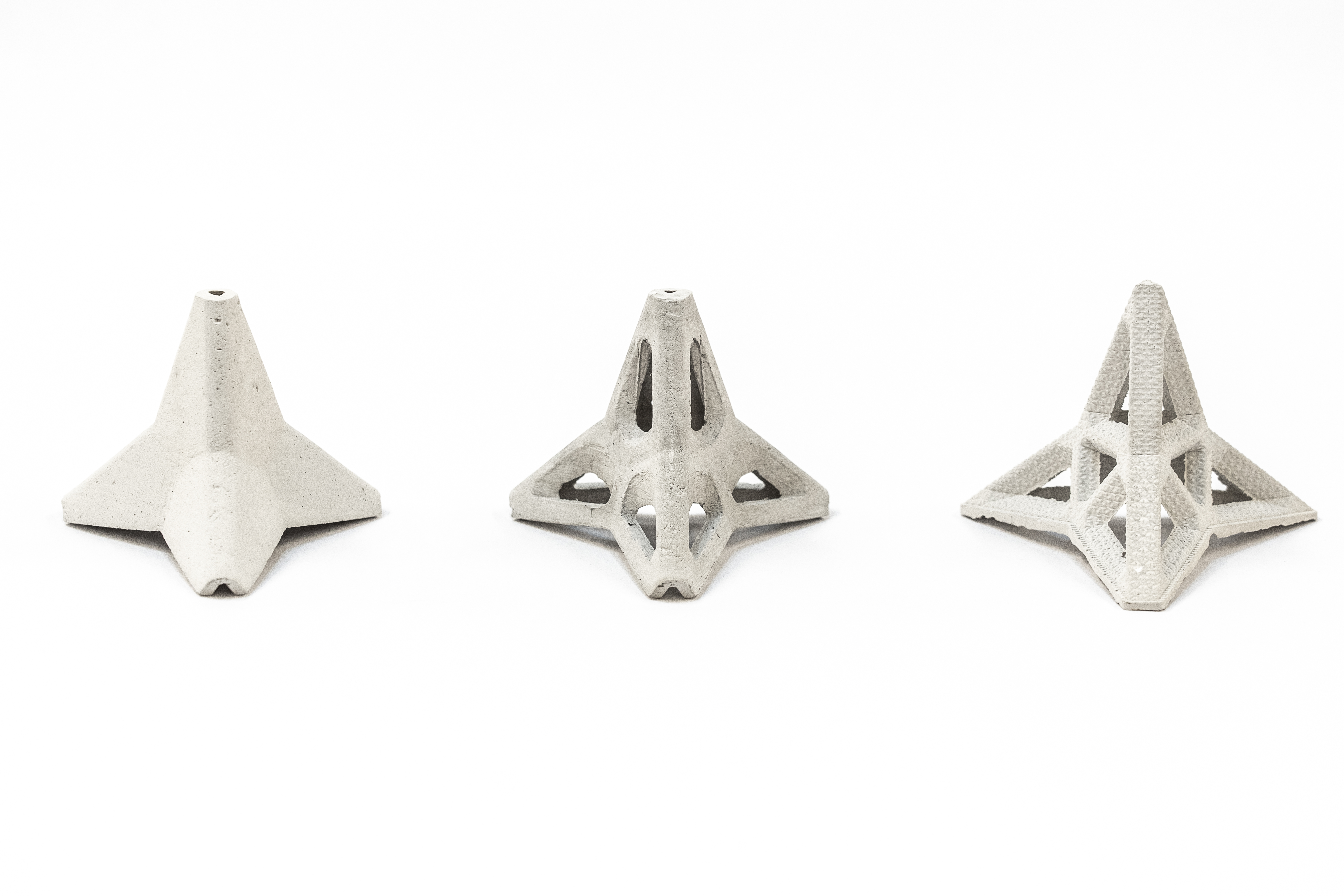
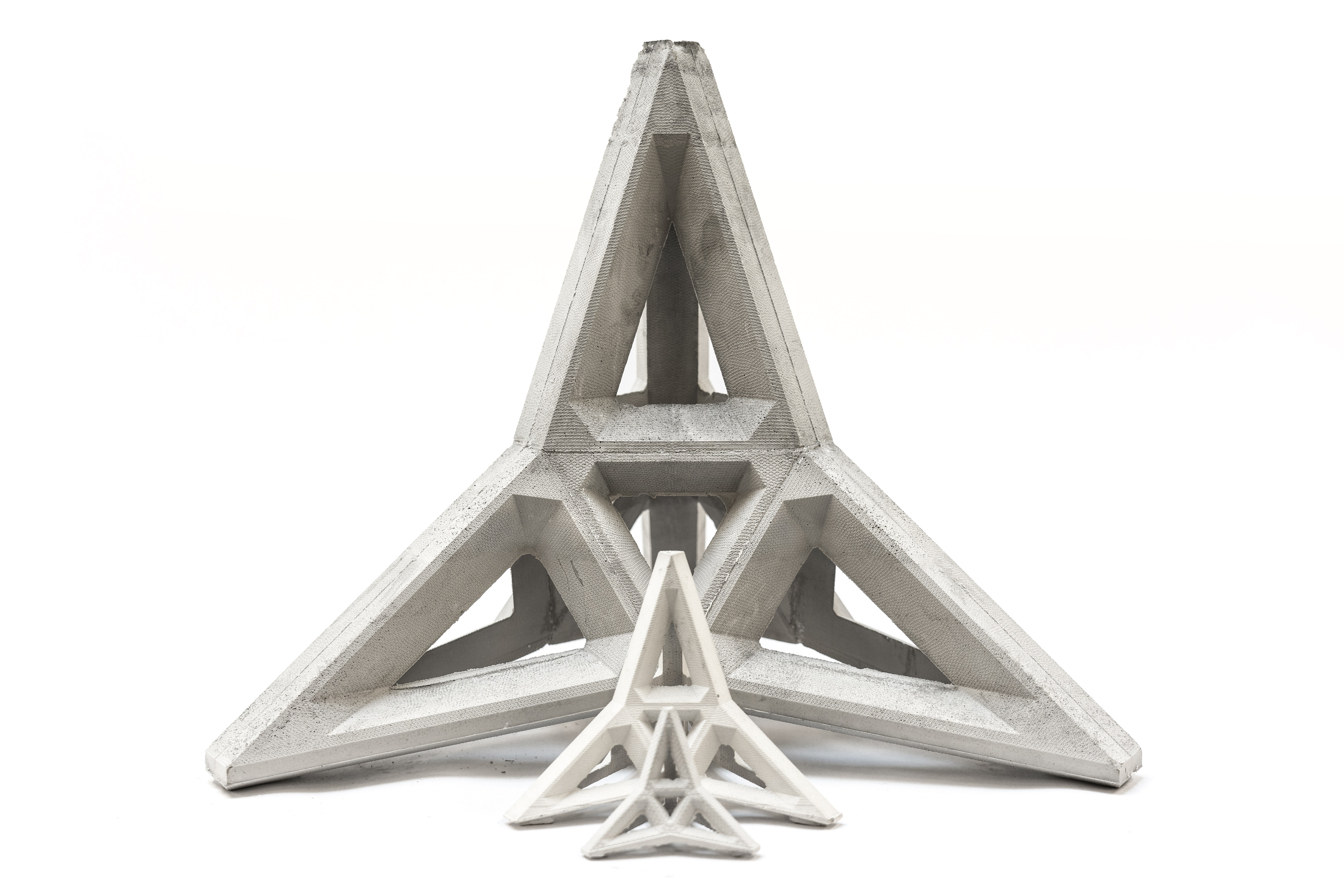
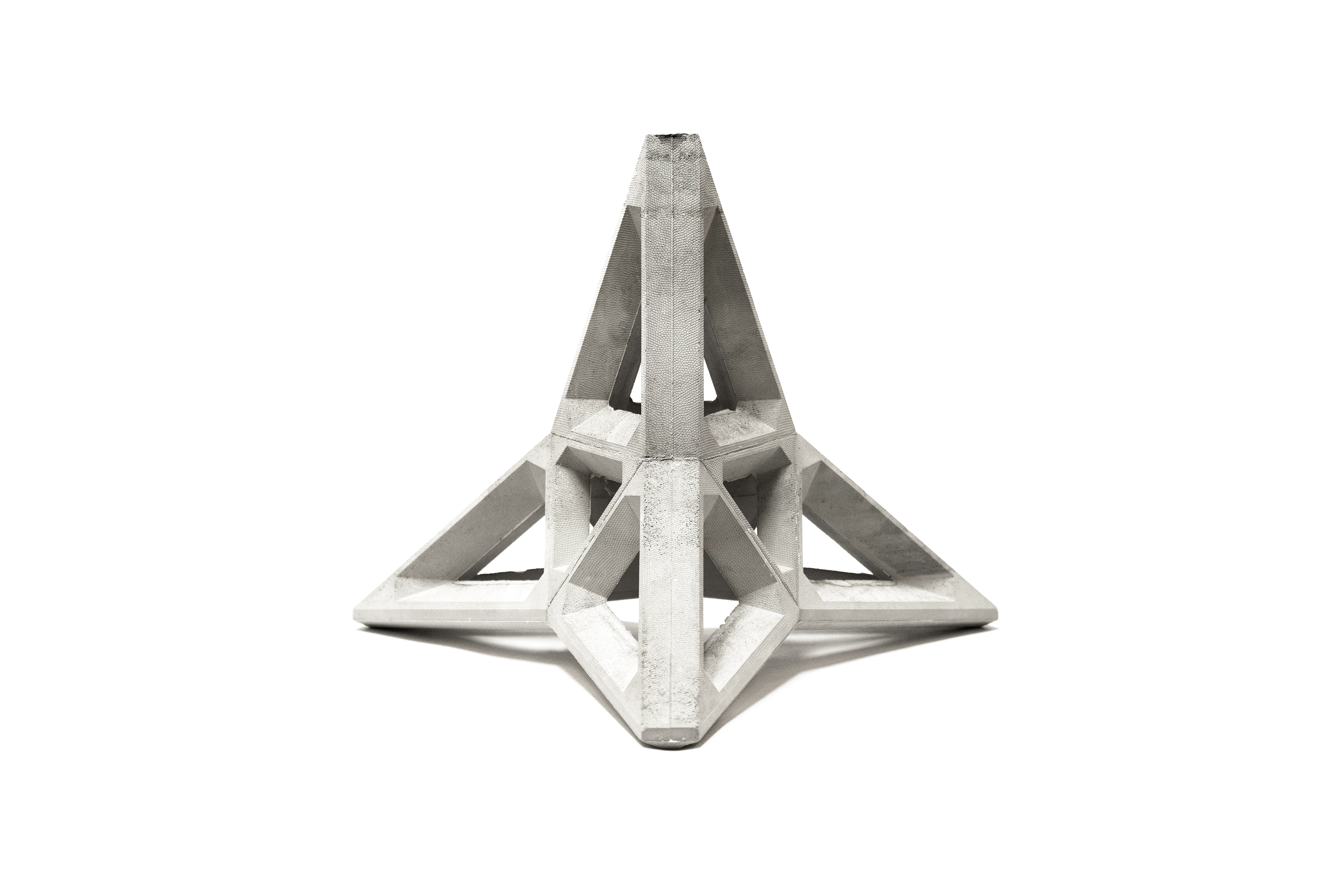
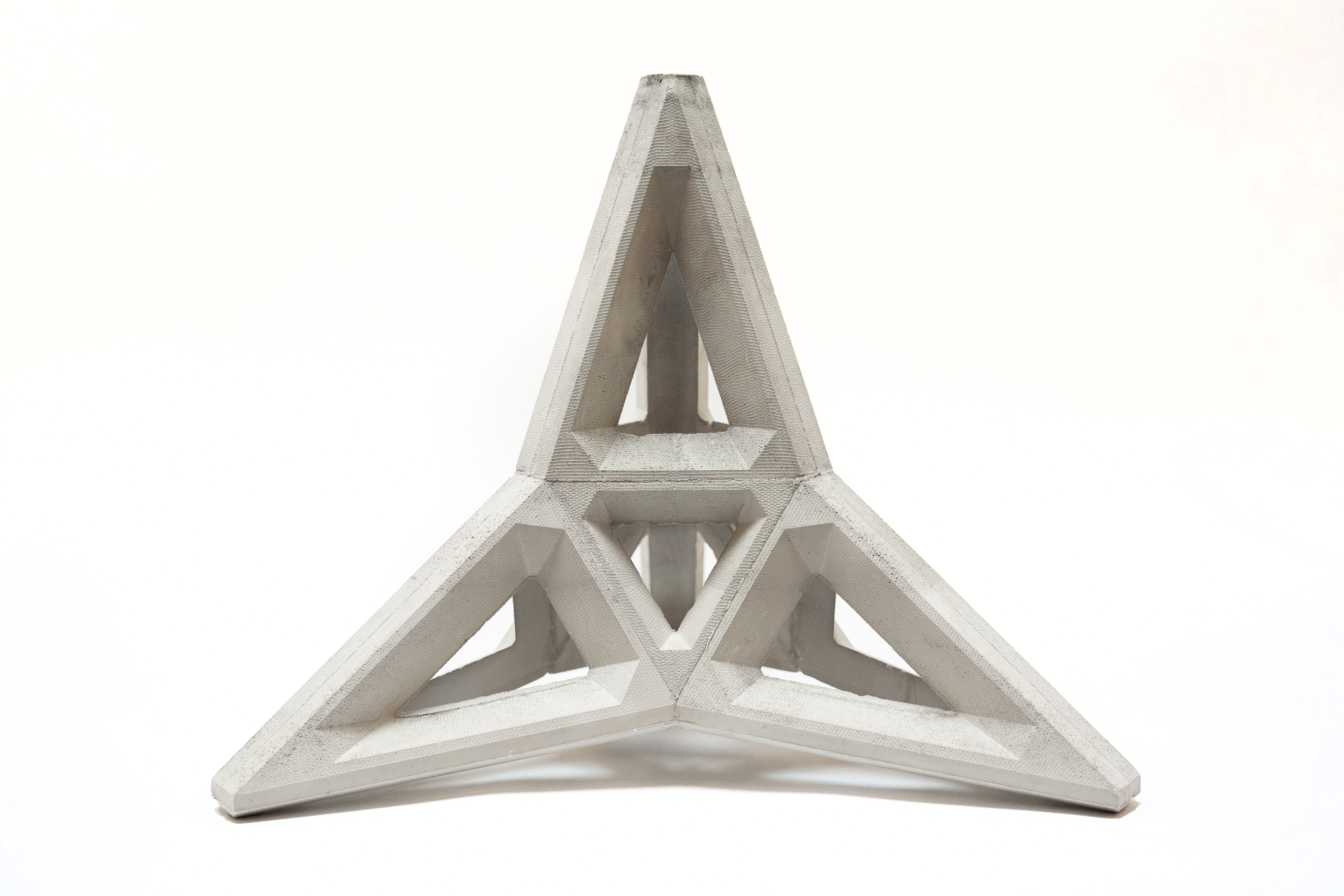
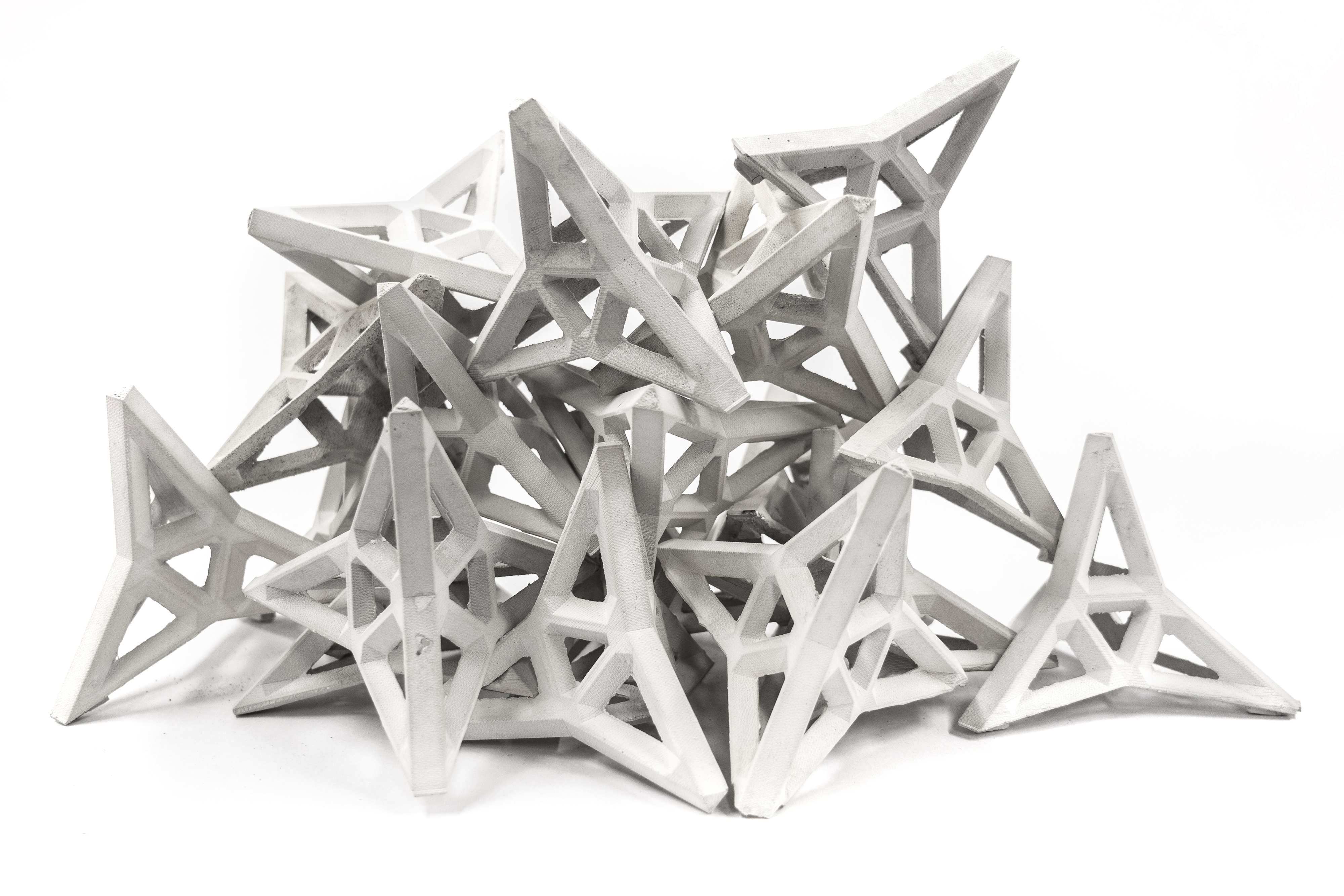
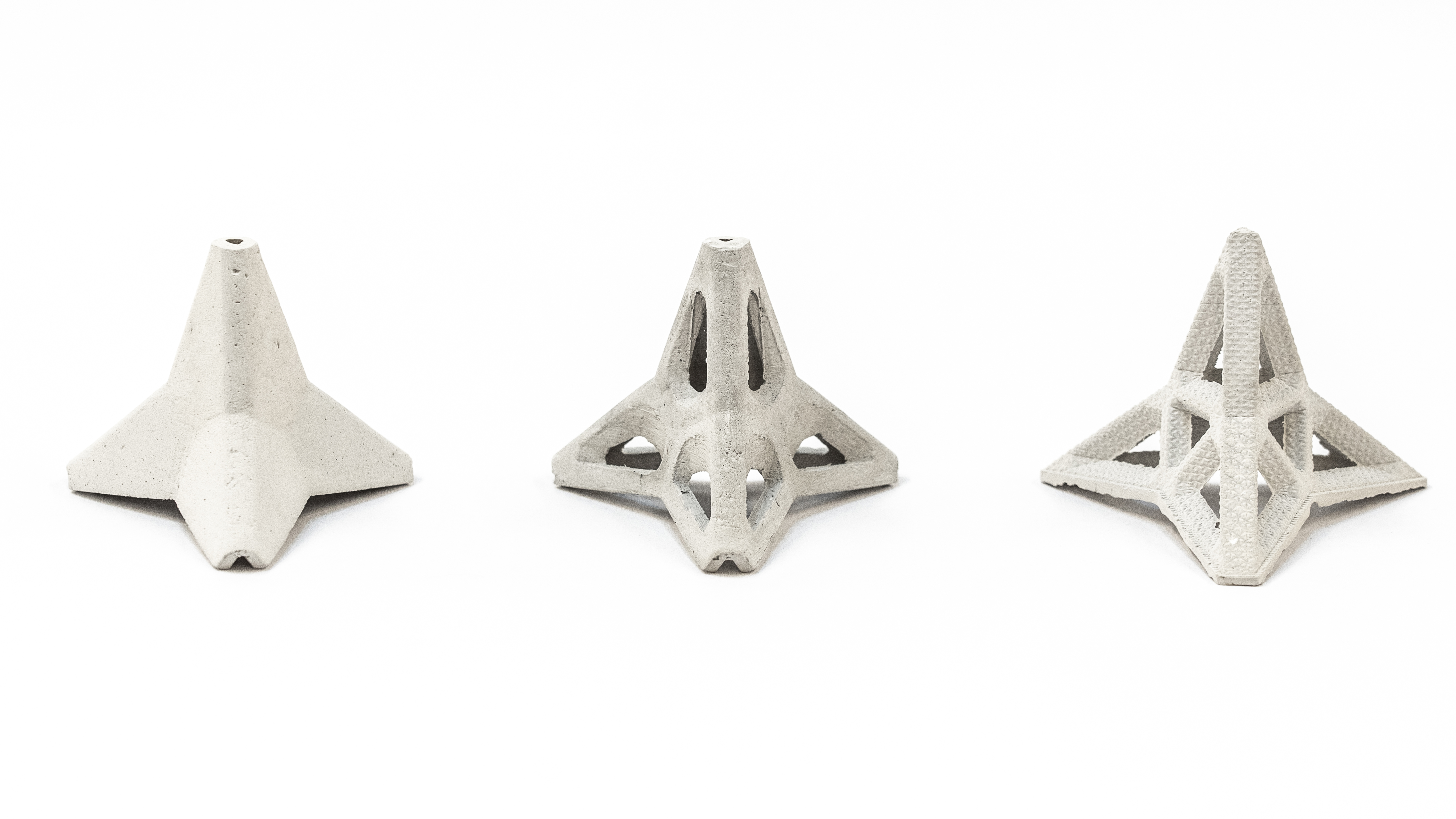
To address the drawbacks, the researcher considers introducing hollowness or porosity to the structure, exploring alternative materials, and refining the design to enhance the tetrapod’s overall capability. Incorporating a porous structure into the tetrapod design offers many benefits. It mimics natural reefs, providing habitats for diverse marine life and promoting biodiversity. The porous configuration enhances water recirculation, oxygenation, and nutrient dispersal, creating a favorable environment for marine ecosystems. Moreover, it acts as a sediment barrier and manages sedimentation, reducing water flow speed and serving as a buffer against coastal erosion. Lastly, the porous design requires less material, lowering thermal mass, reducing the carbon footprint, and enhancing overall sustainability.
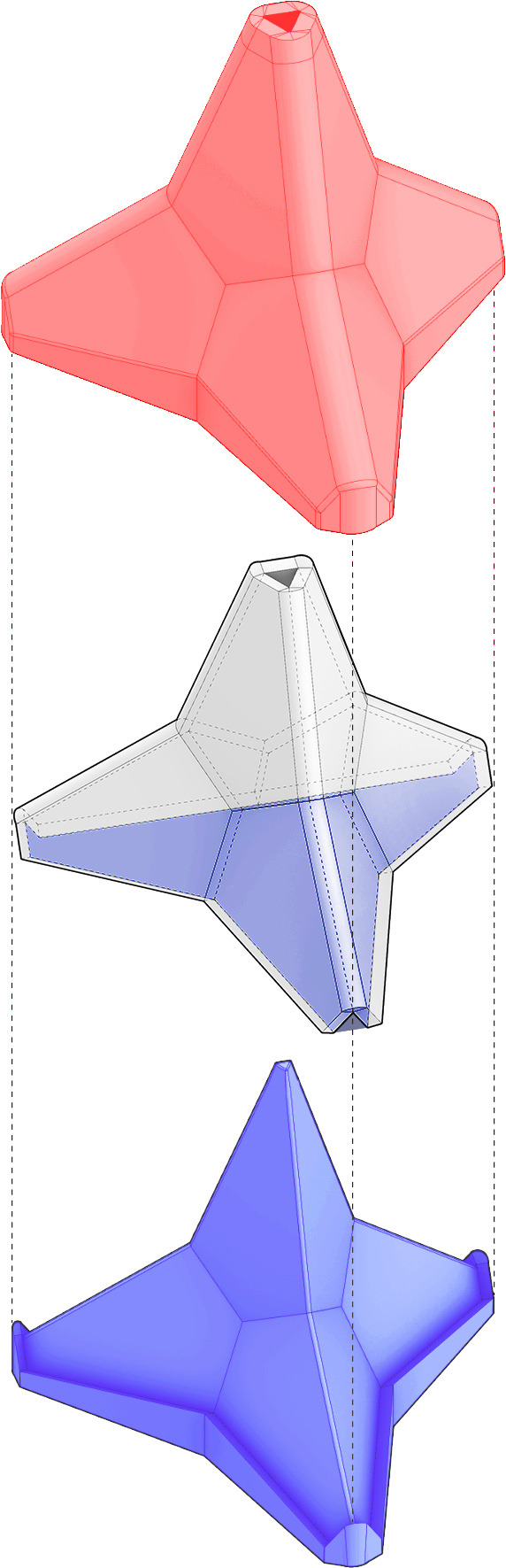
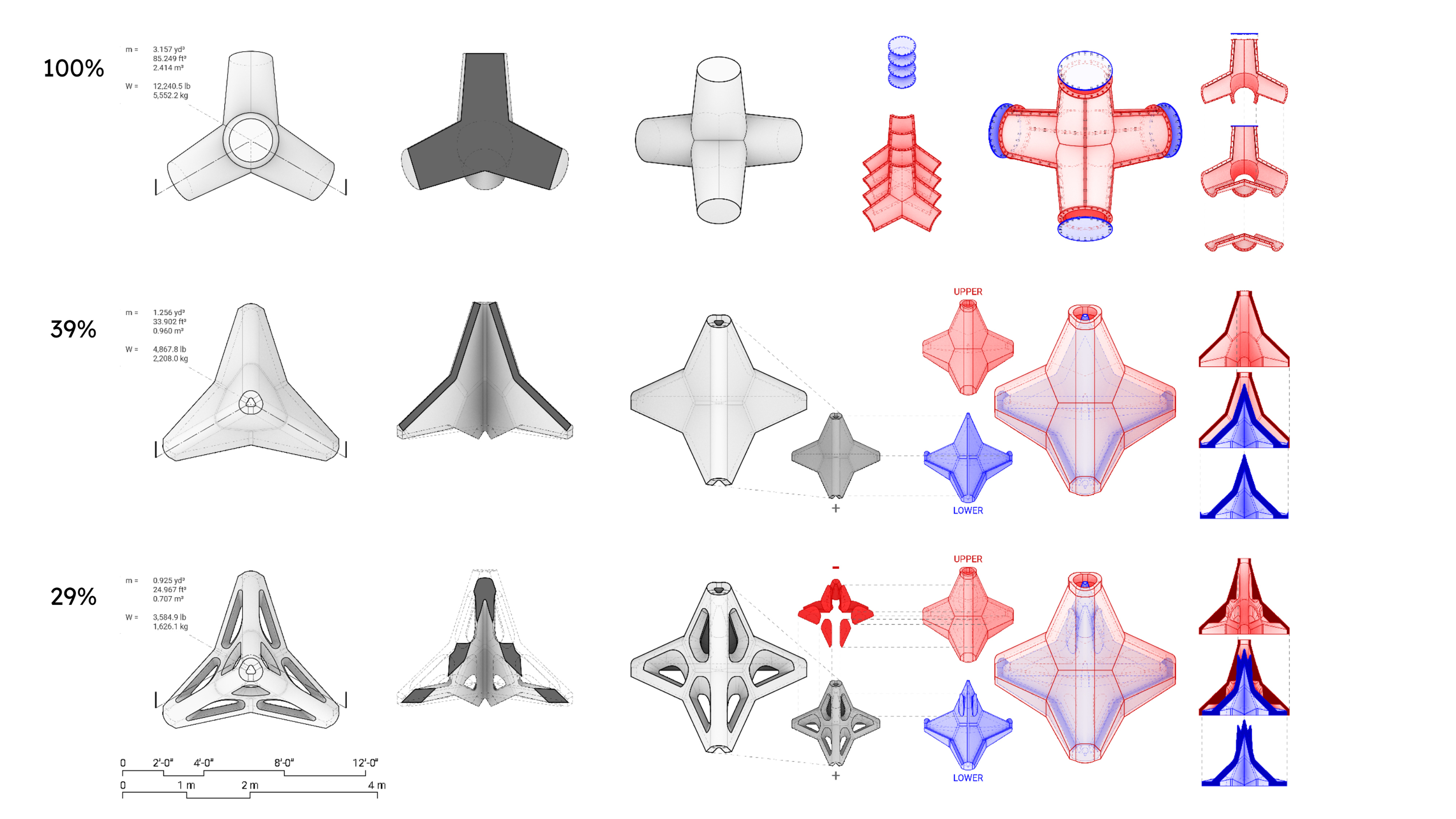
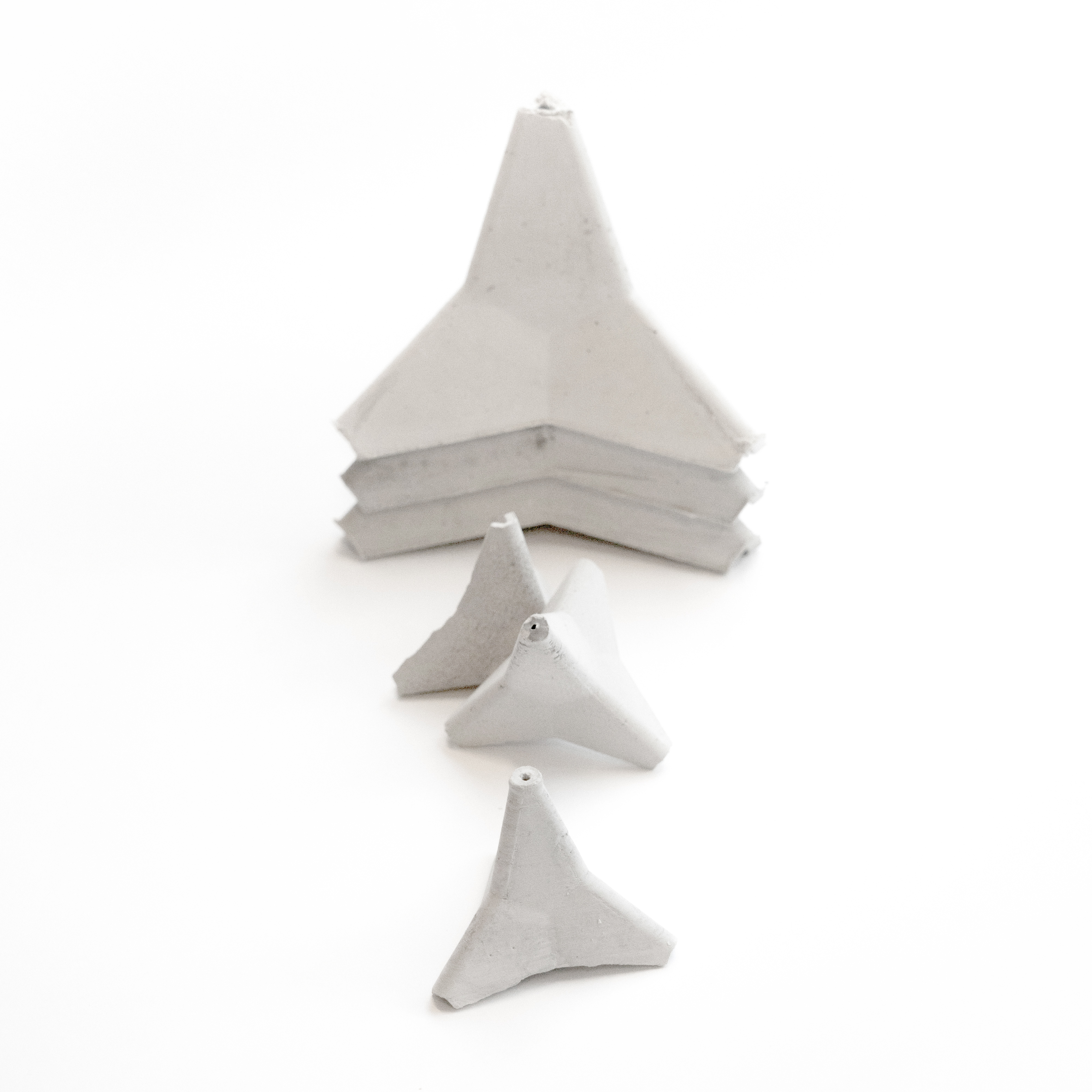
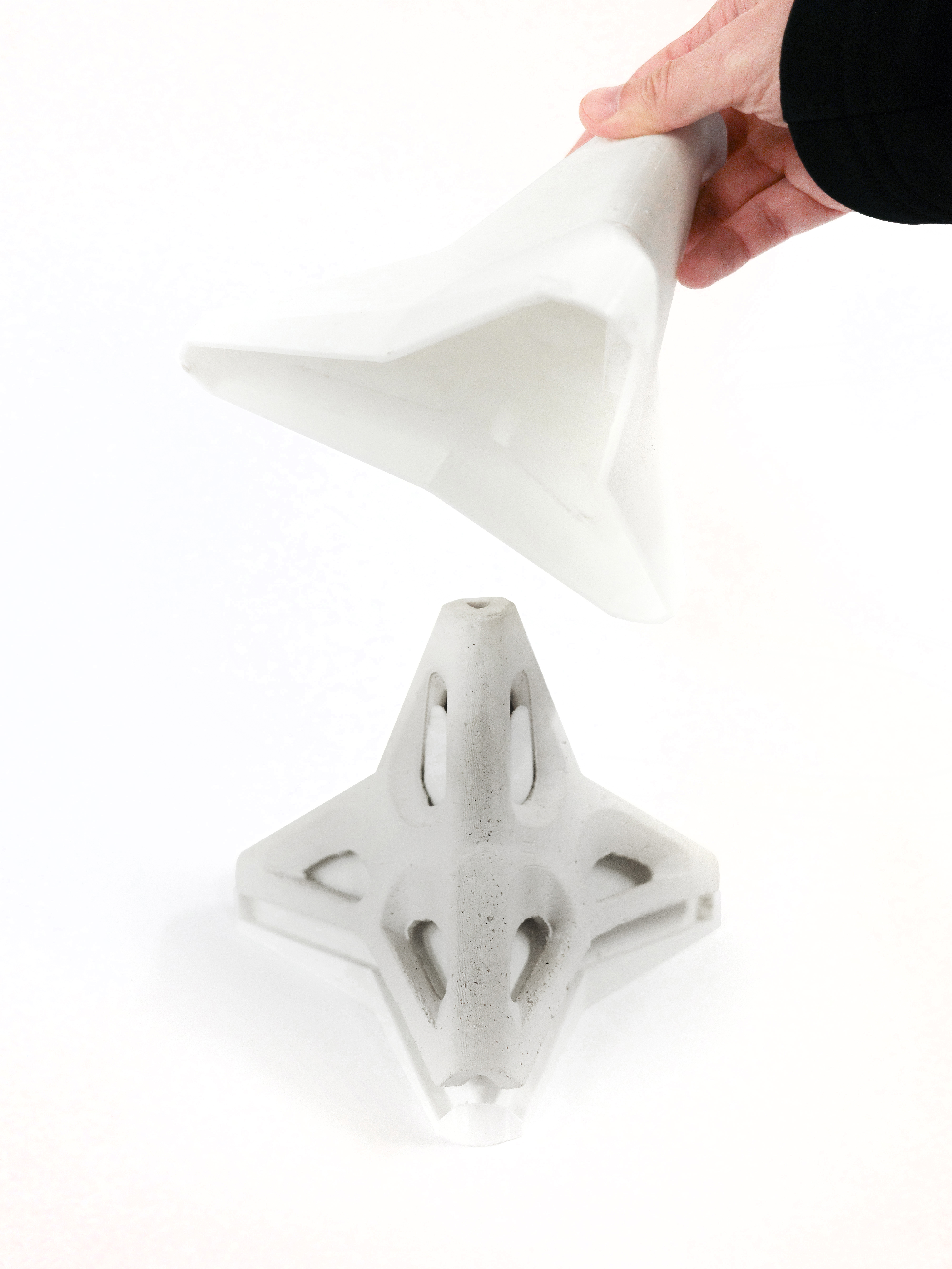
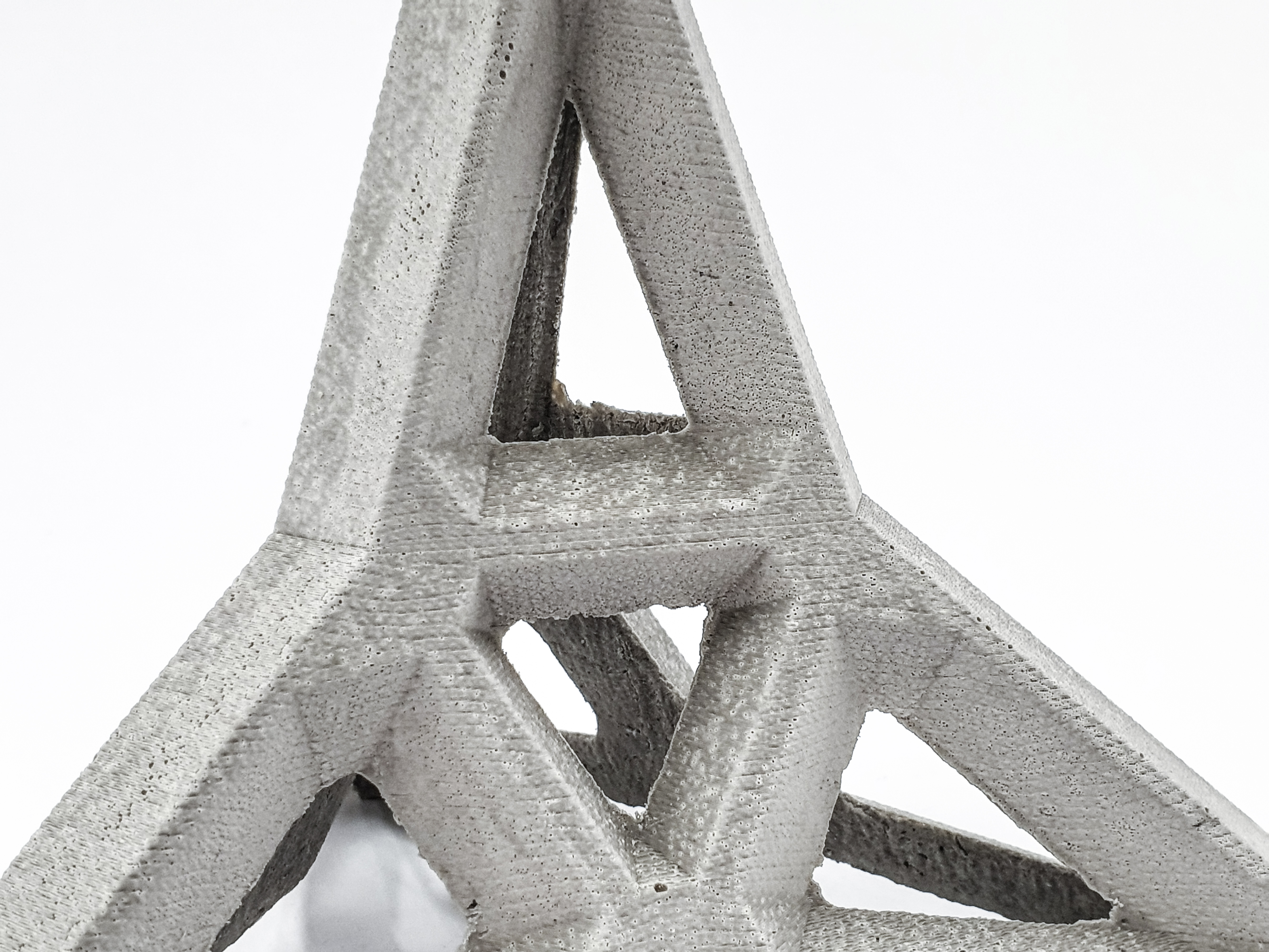
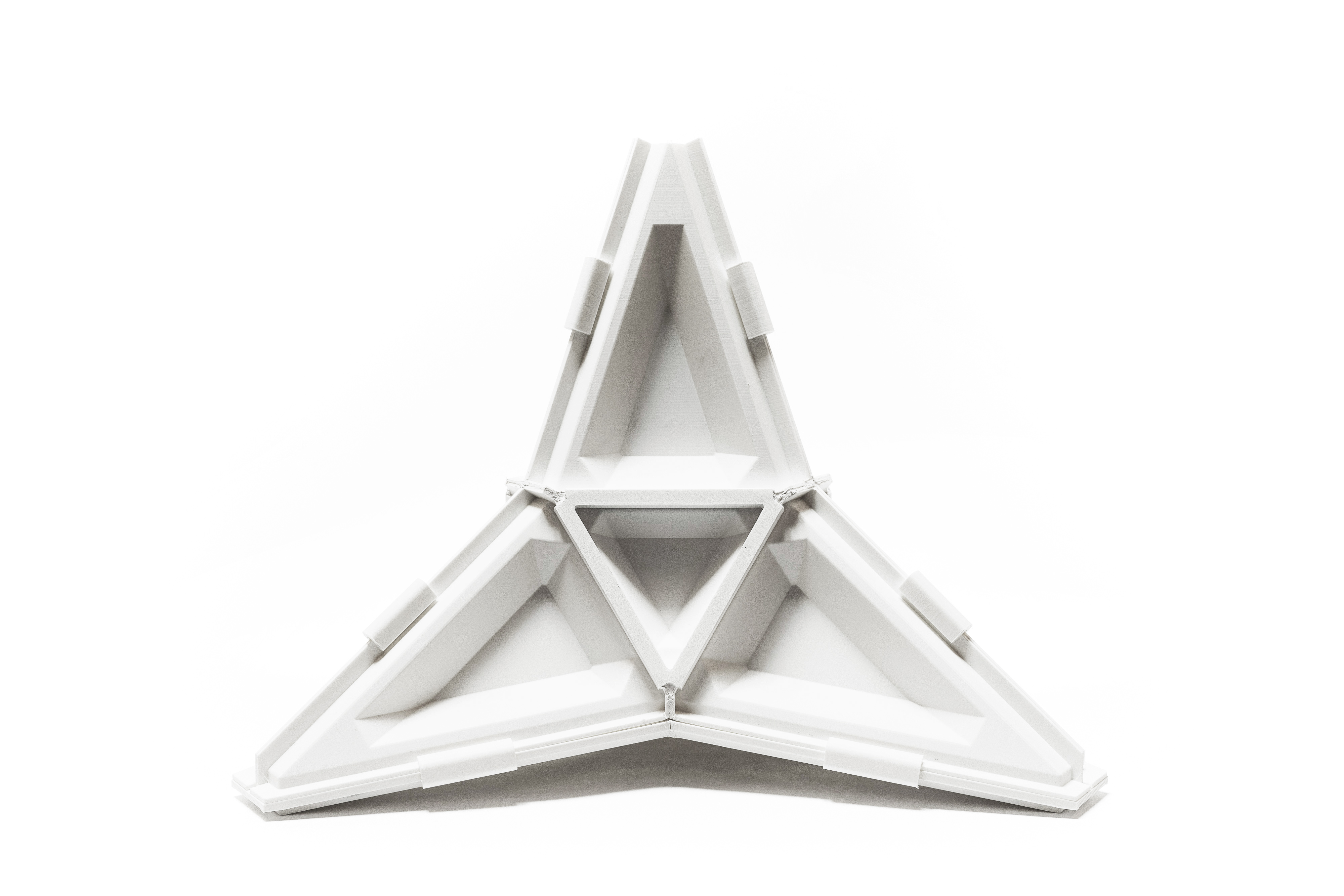
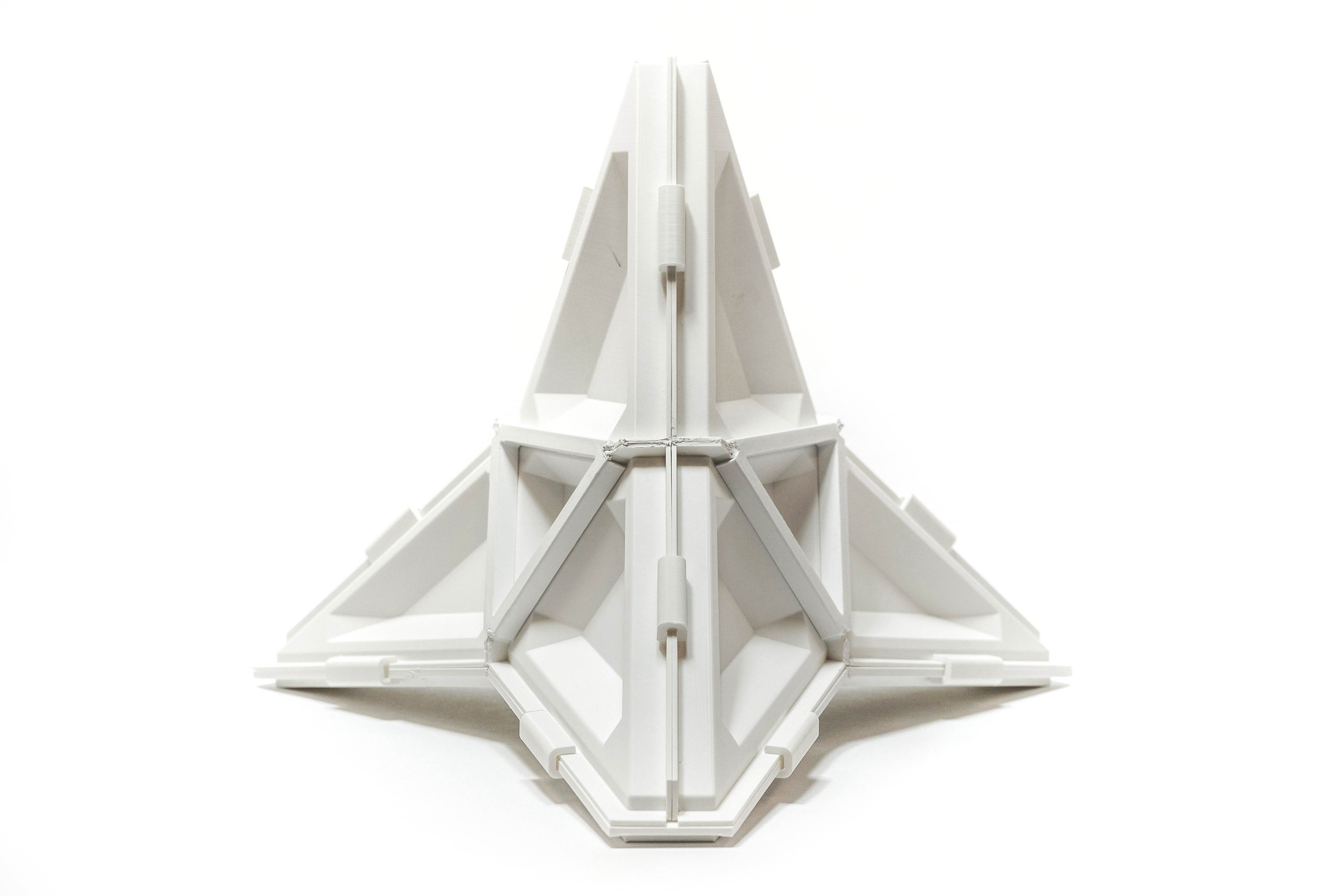
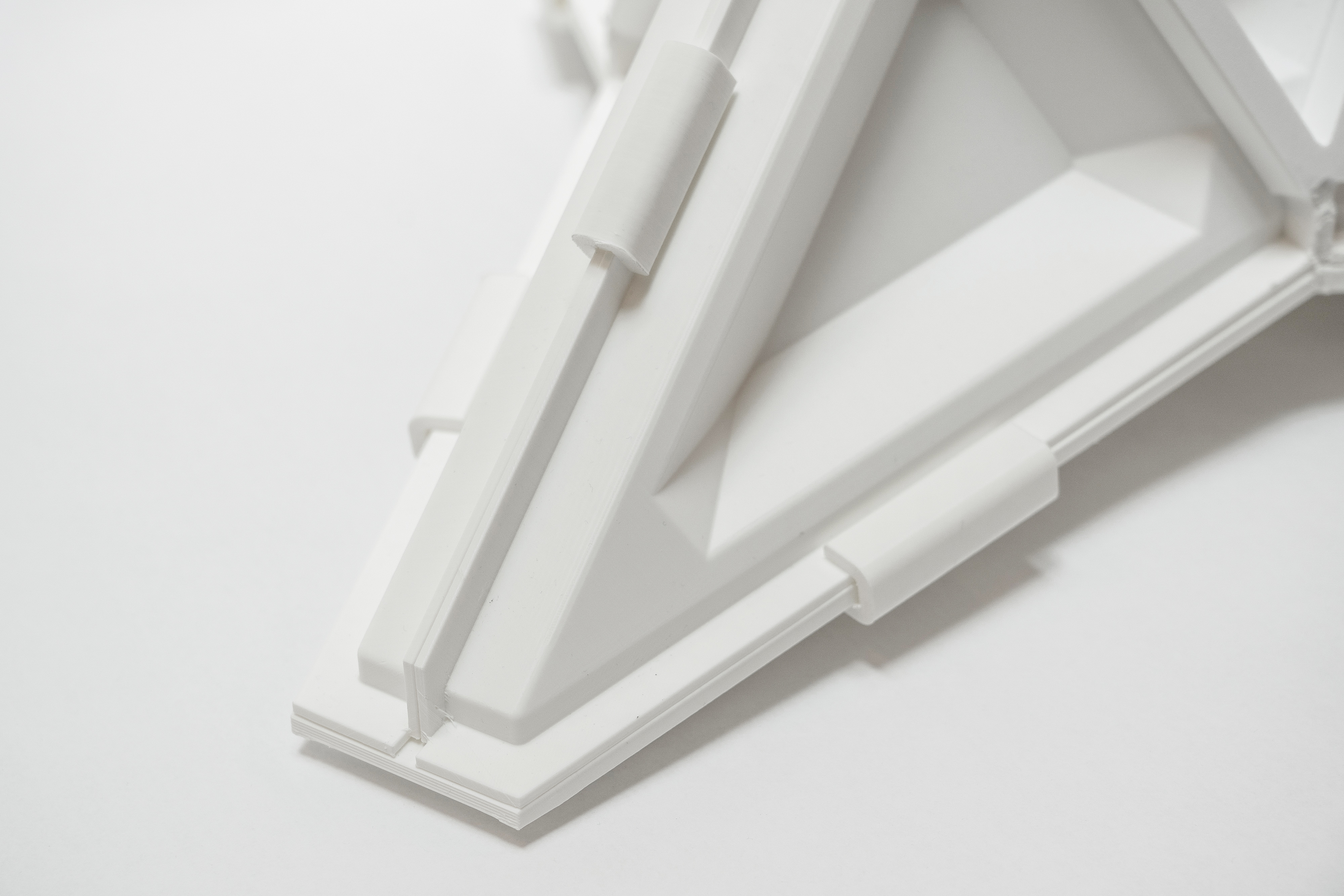
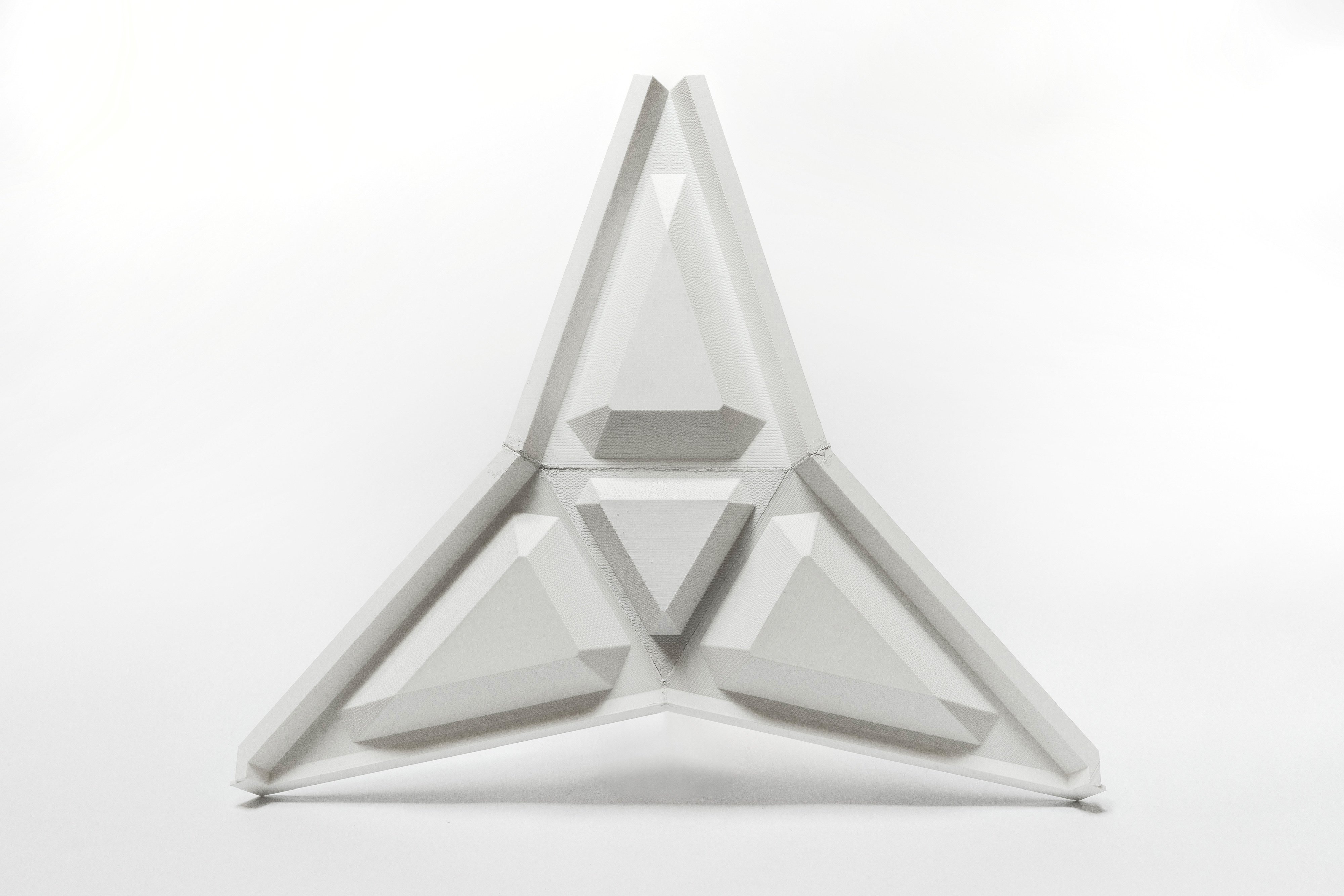
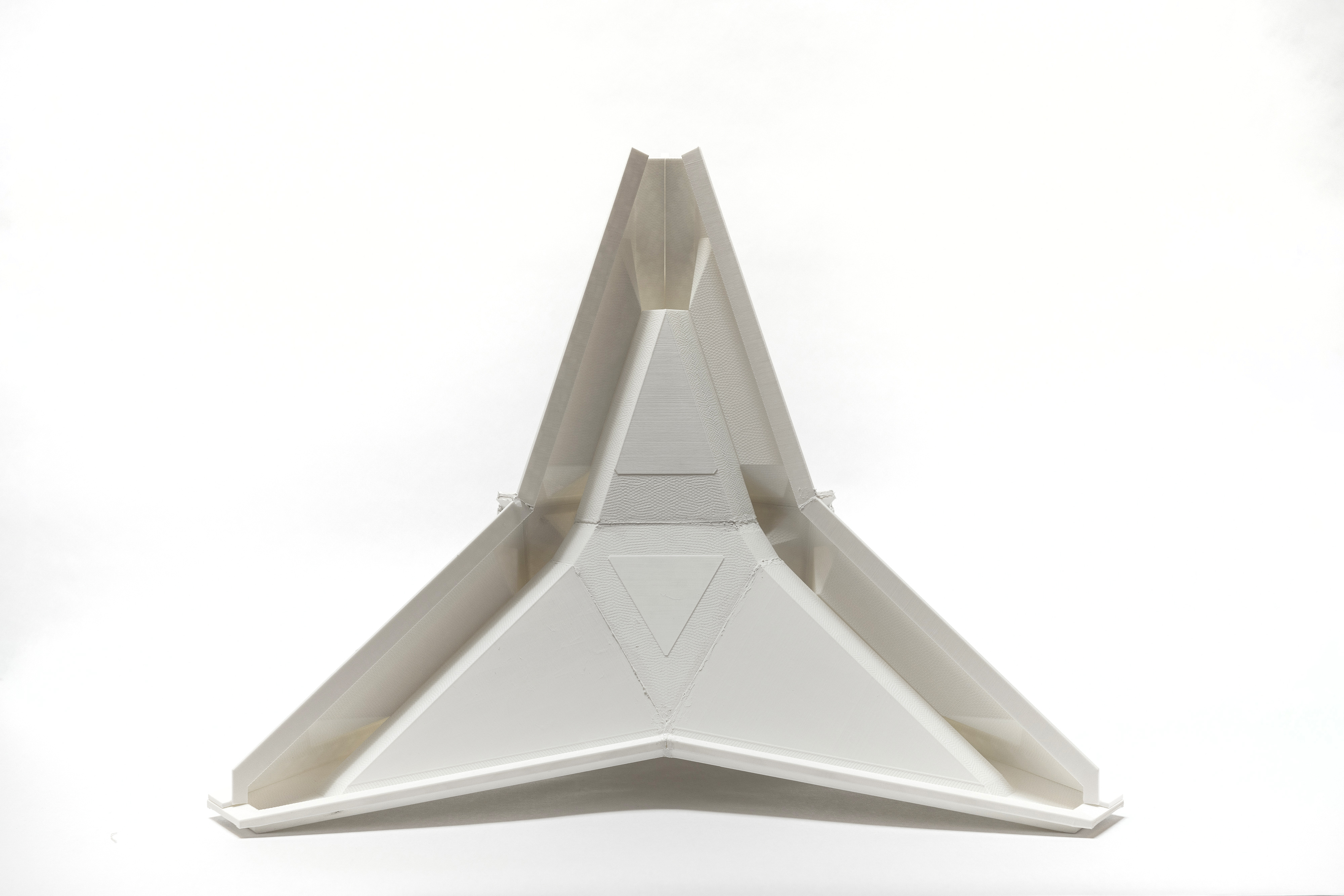
Additionally, the design refinement process aimed to enable mold fabrication while preserving the key features of the original tetrapod design. The modification using a two-part mold will allow for casting with a reduced mold complexity from eight to two parts. This efficient fabrication method will also enhance scalability and minimize energy consumption.
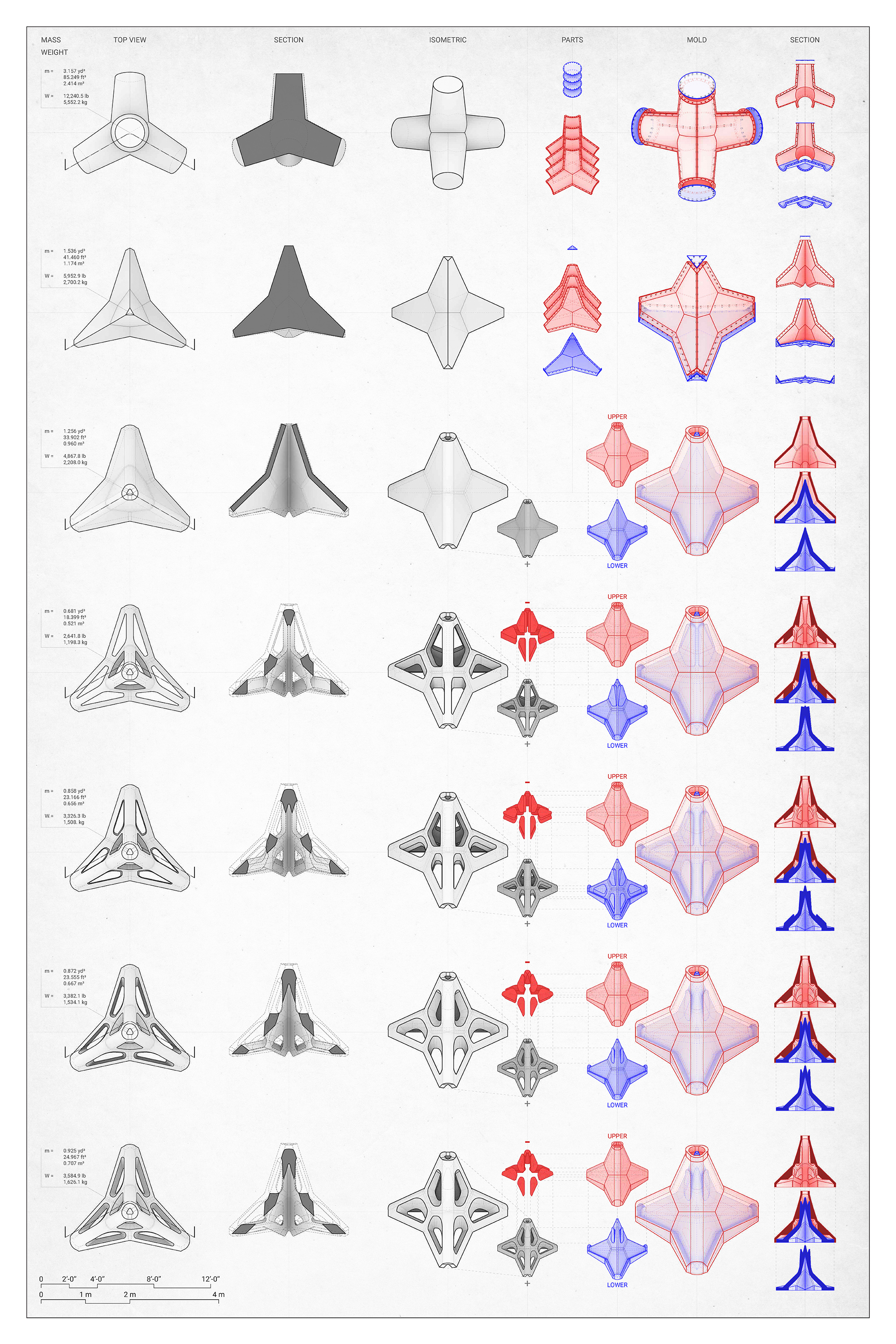
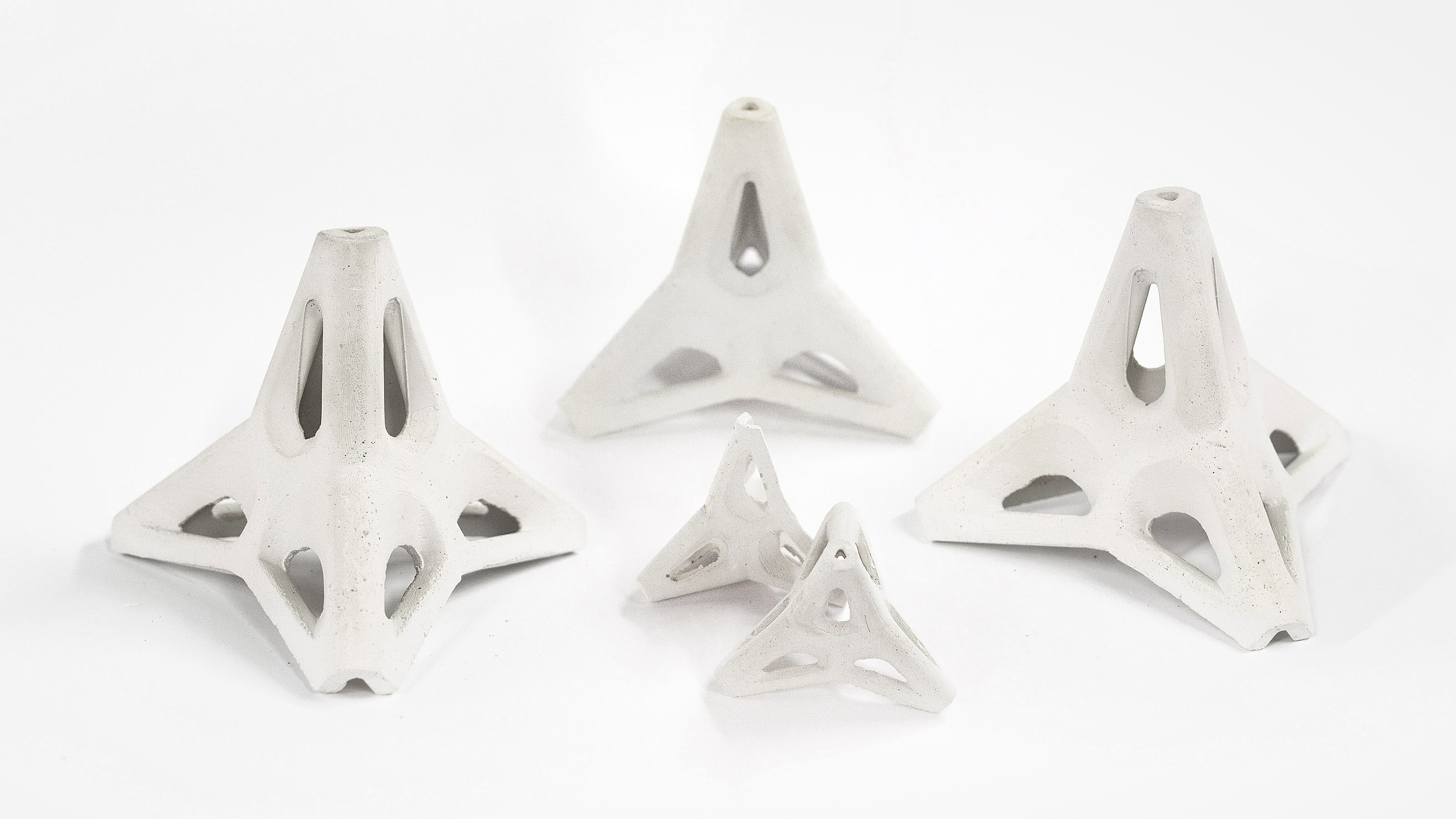
Refined tetrapod iterations
![]()
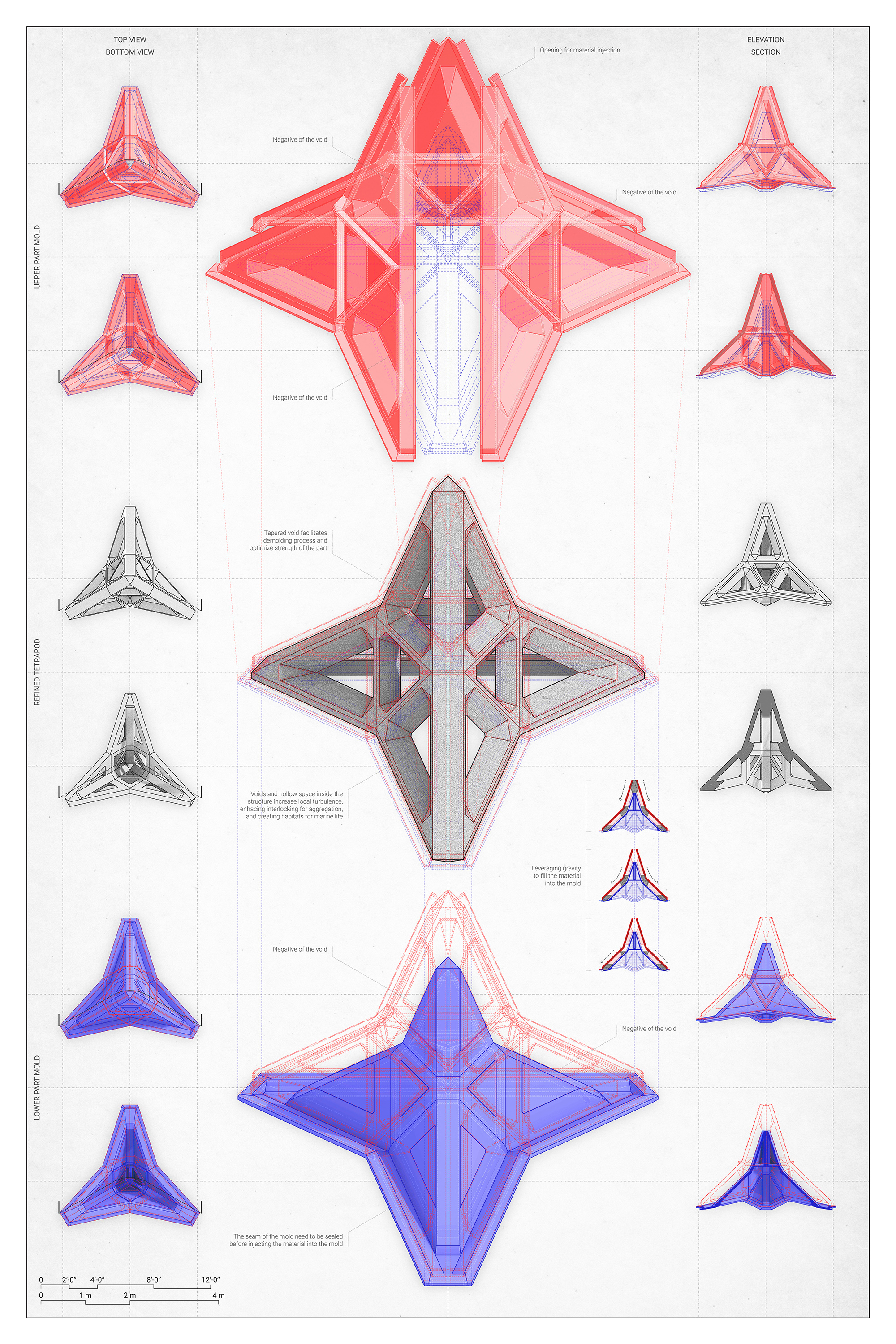
Design of the refined tetrapod
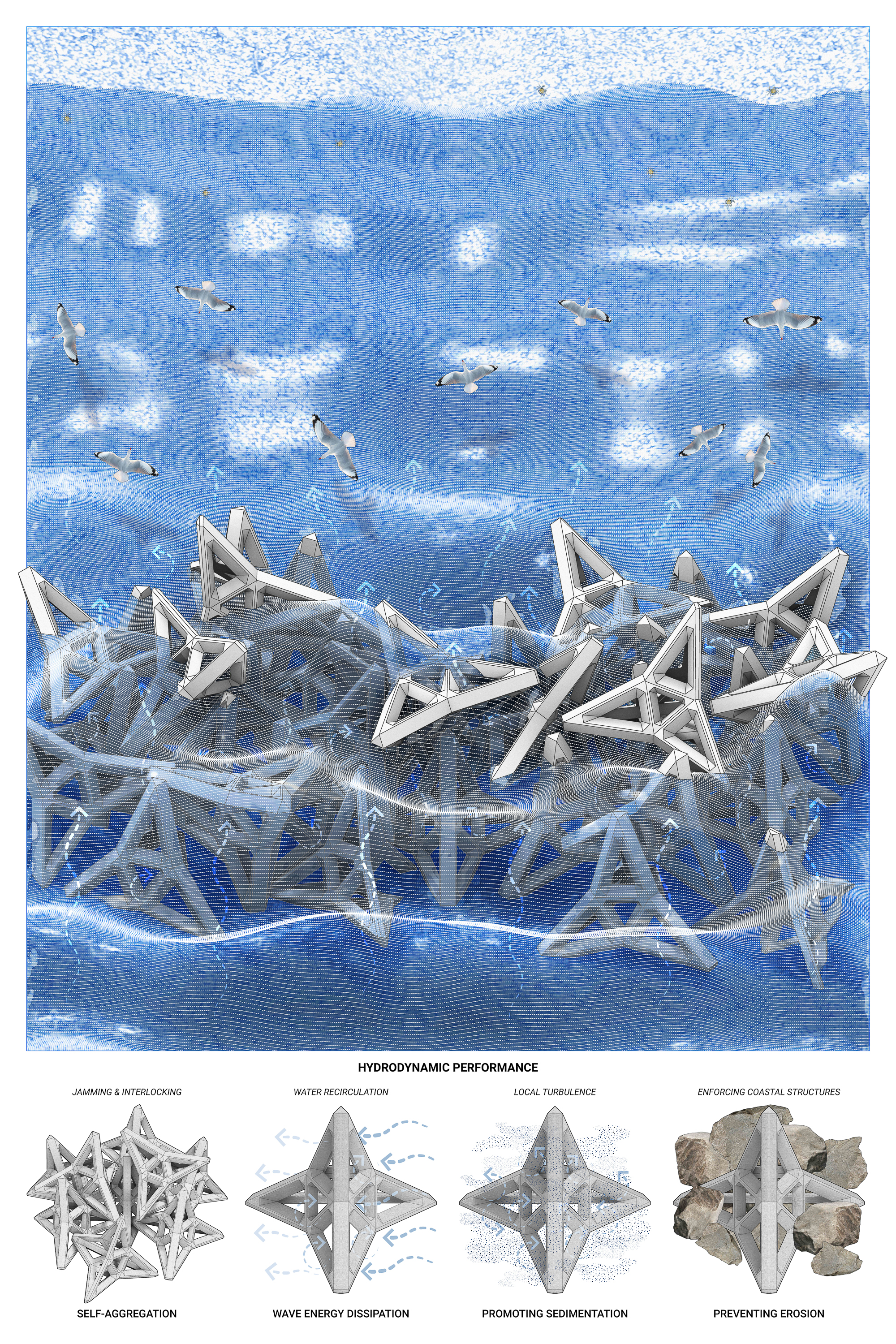
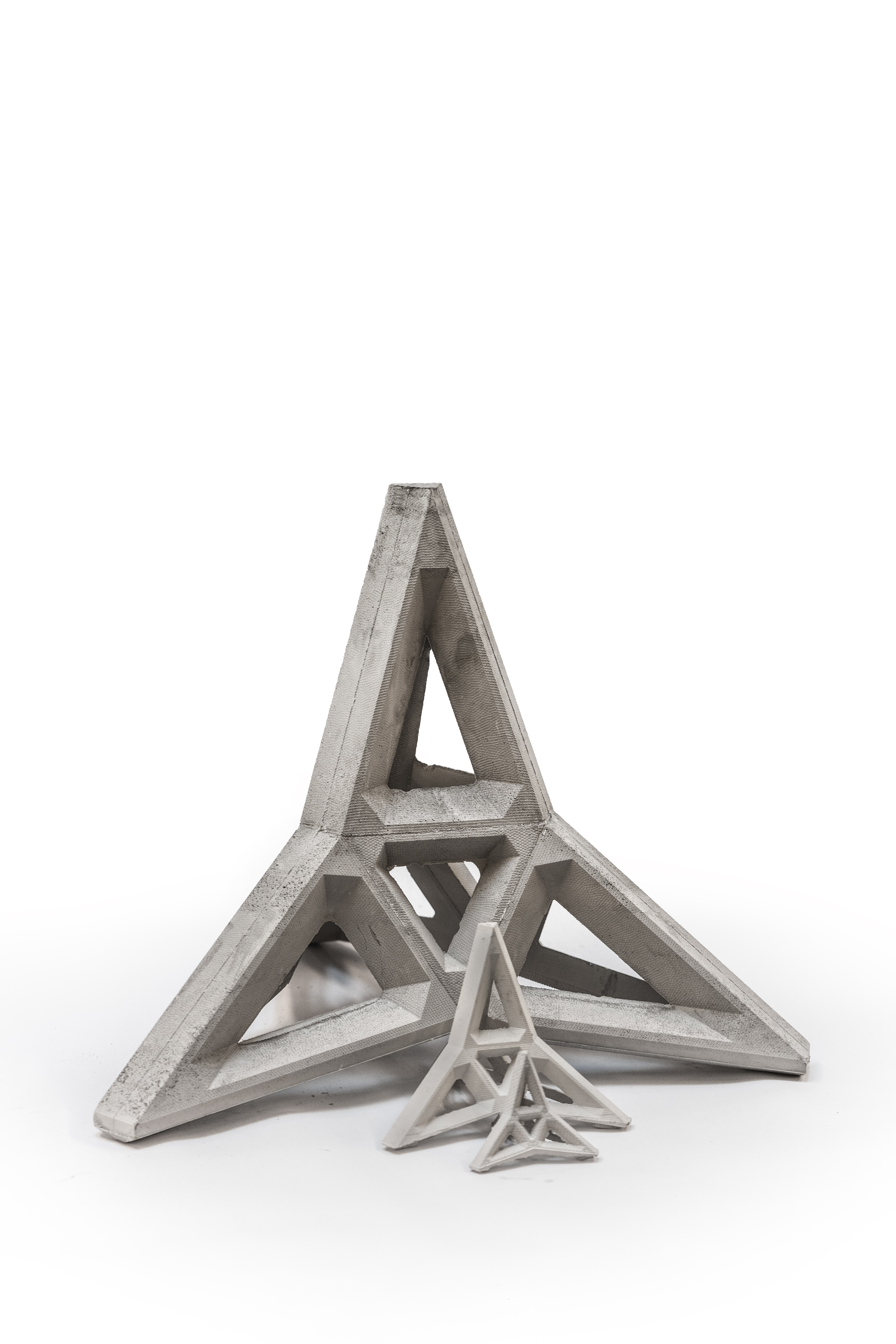
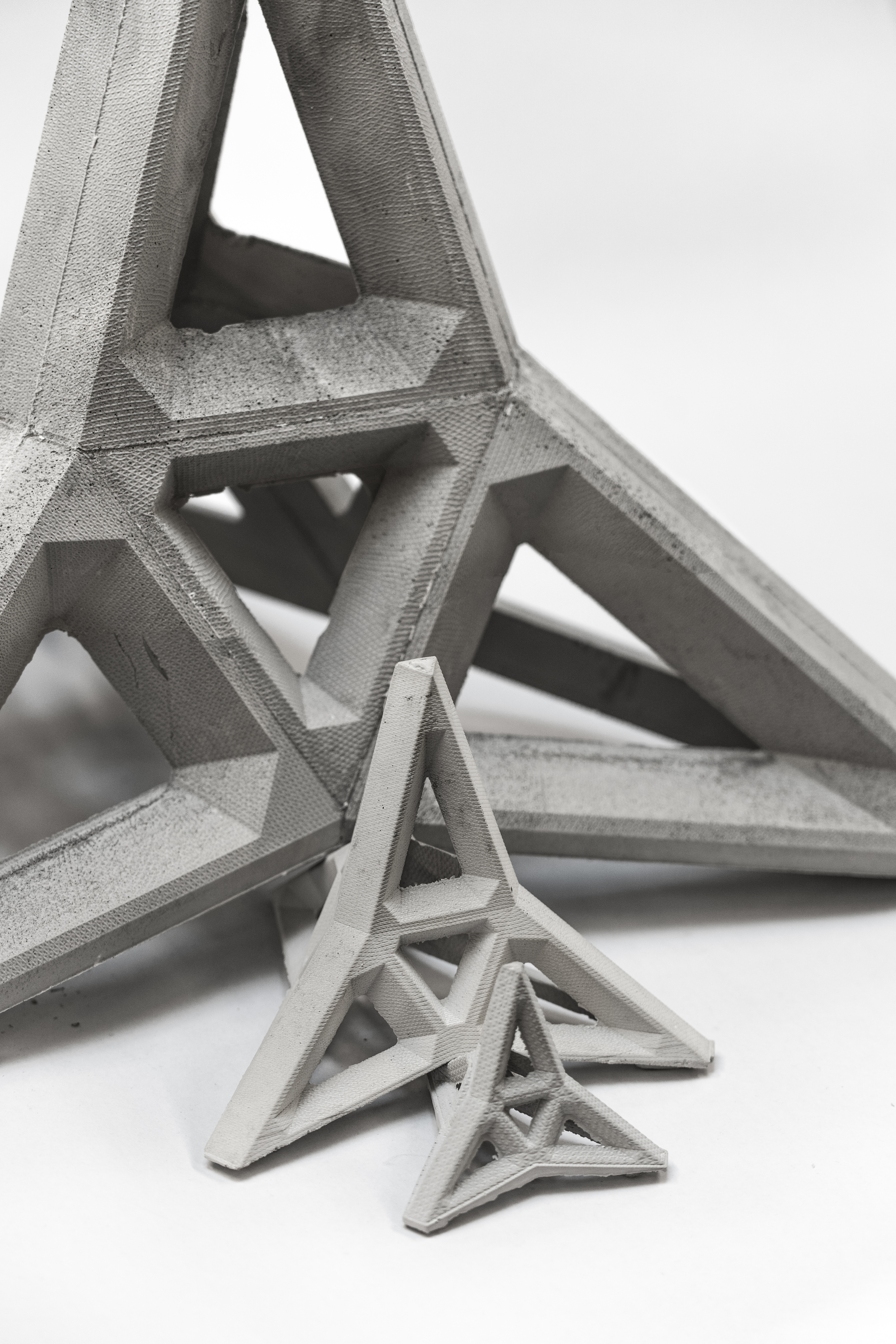
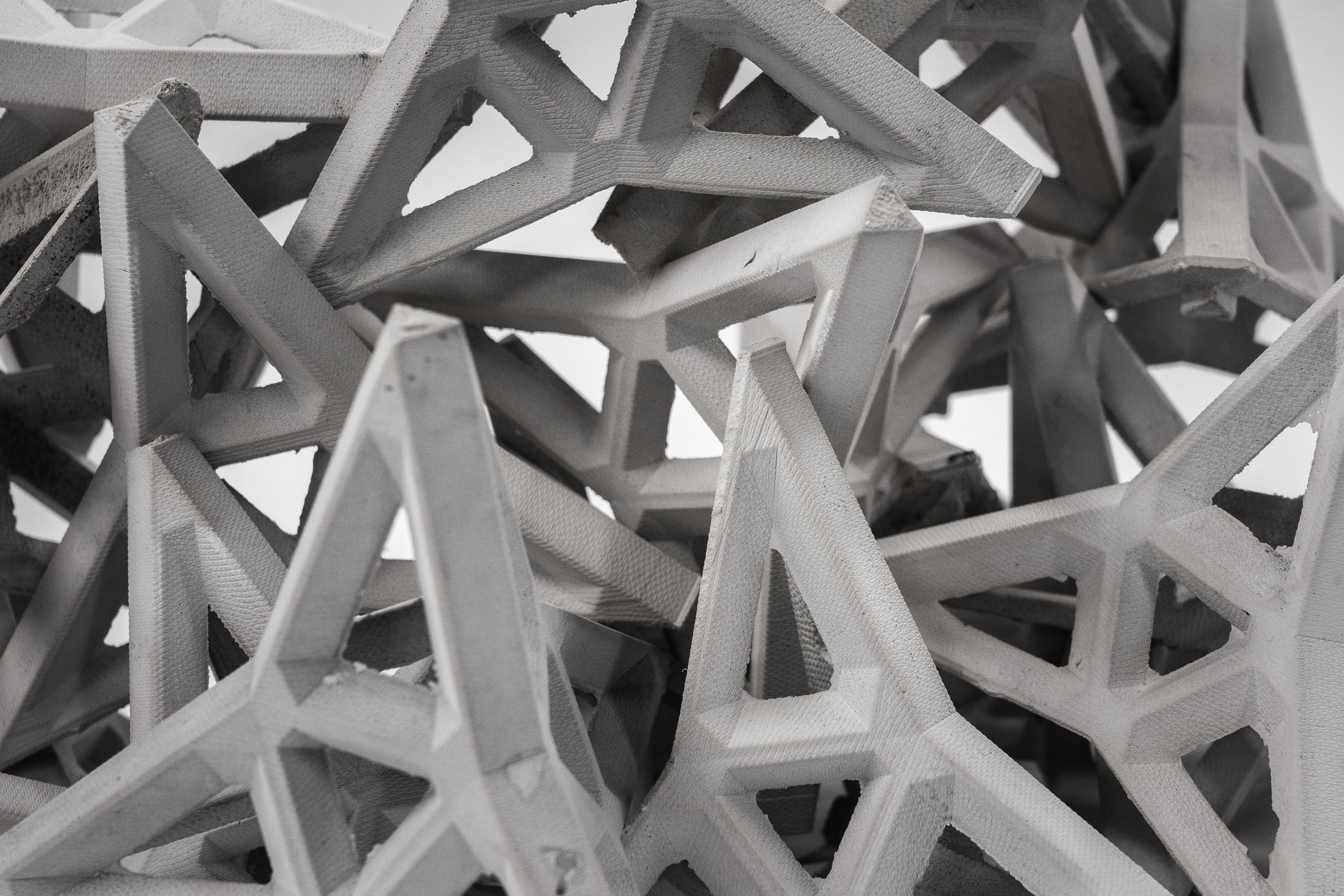
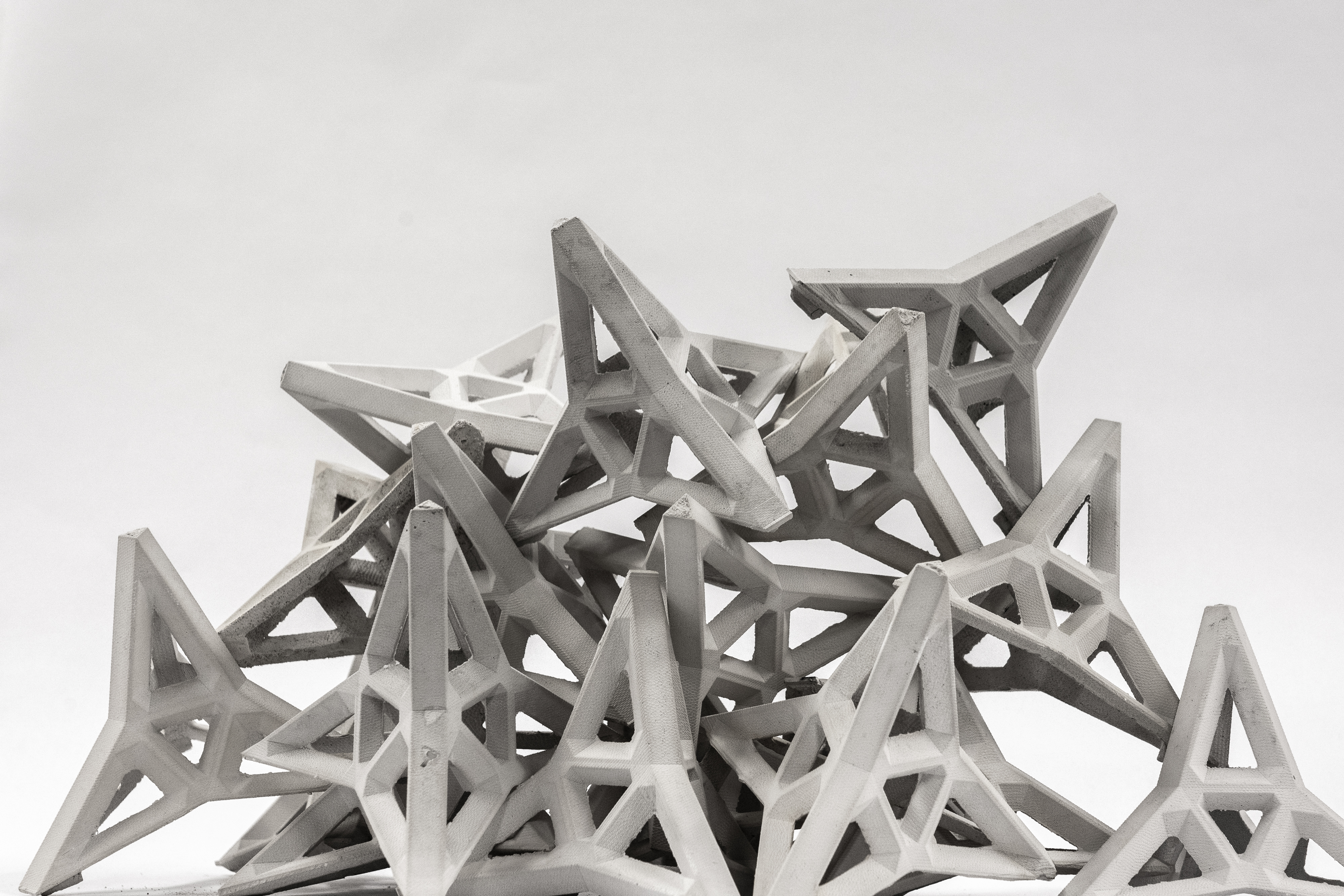
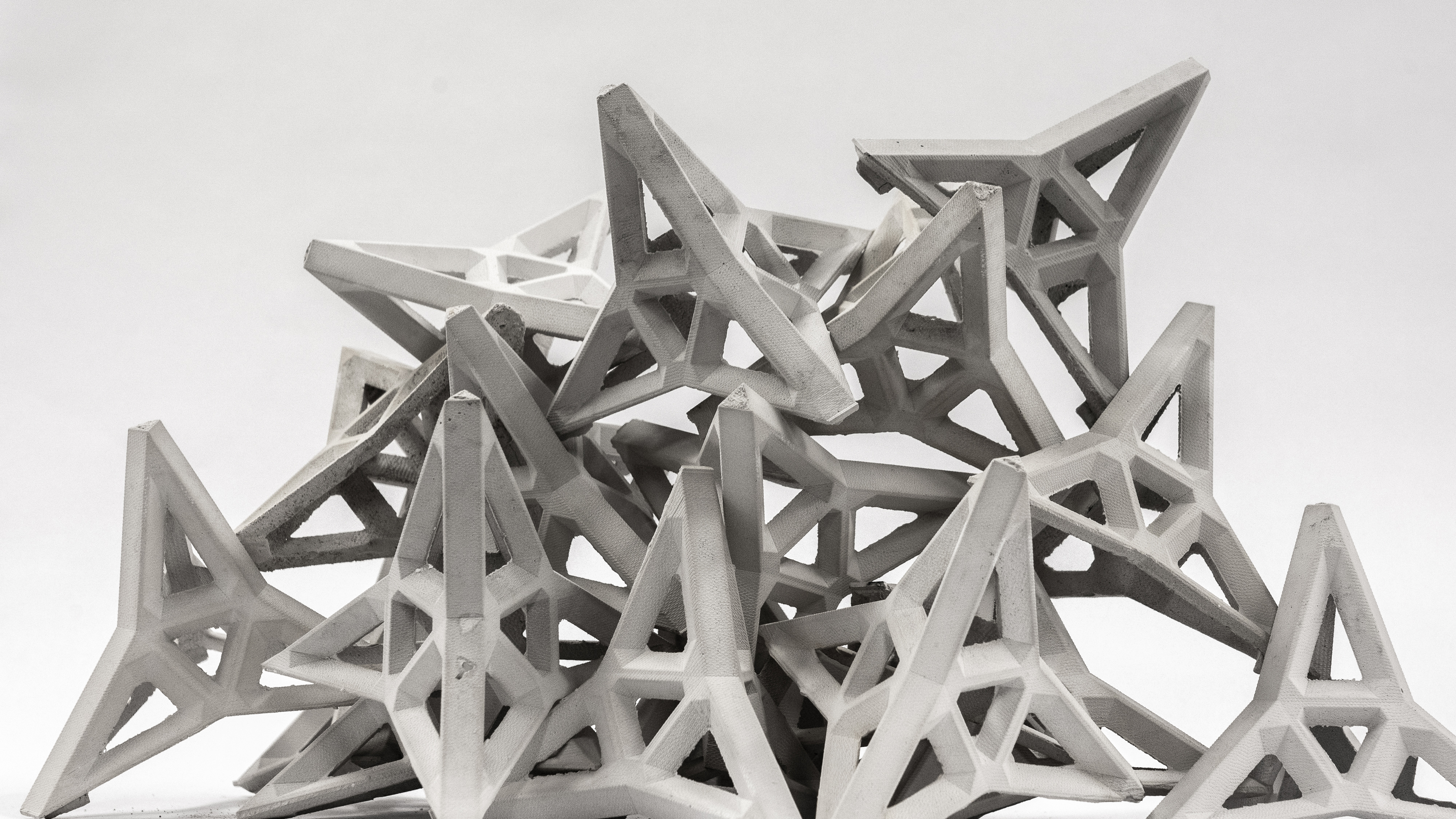
Regarding hydrodynamic performance, the integration of voids into the refined tetrapods, combined with a leaner structure and sharper tips, amplifies the capability for jamming and interlocking upon deployment. This enhancement fosters greater porosity within the structure, thereby bolstering stability and promoting a more resilient and interconnected arrangement of tetrapods.
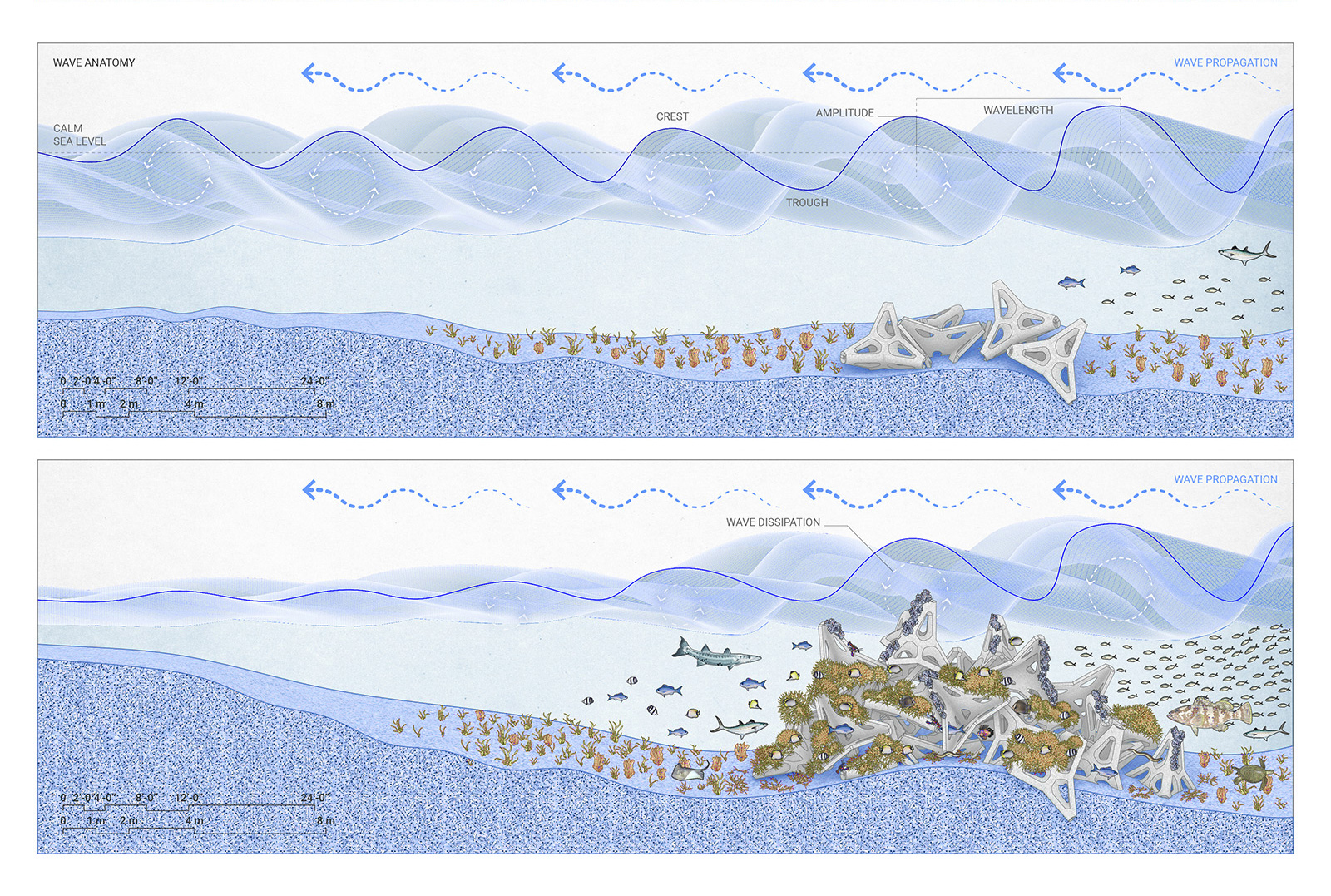
Furthermore, these design features serve to facilitate wave energy dissipation. The irregular arrangement of tetrapods creates turbulence in the water. Turbulence occurs when the flow of water becomes chaotic due to irregularities in the terrain. This turbulence not only diminishes the energy of incoming waves before they reach the coast but also promotes sedimentation. This involved interplay of hydrodynamic forces not only reinforces the structural integrity of the tetrapods but also enhances the efficacy of the coastal protection system as a whole. Consequently, the integration of these advancements significantly strengthens the coastal defense mechanism, effectively mitigating impacts associated with coastal erosion.
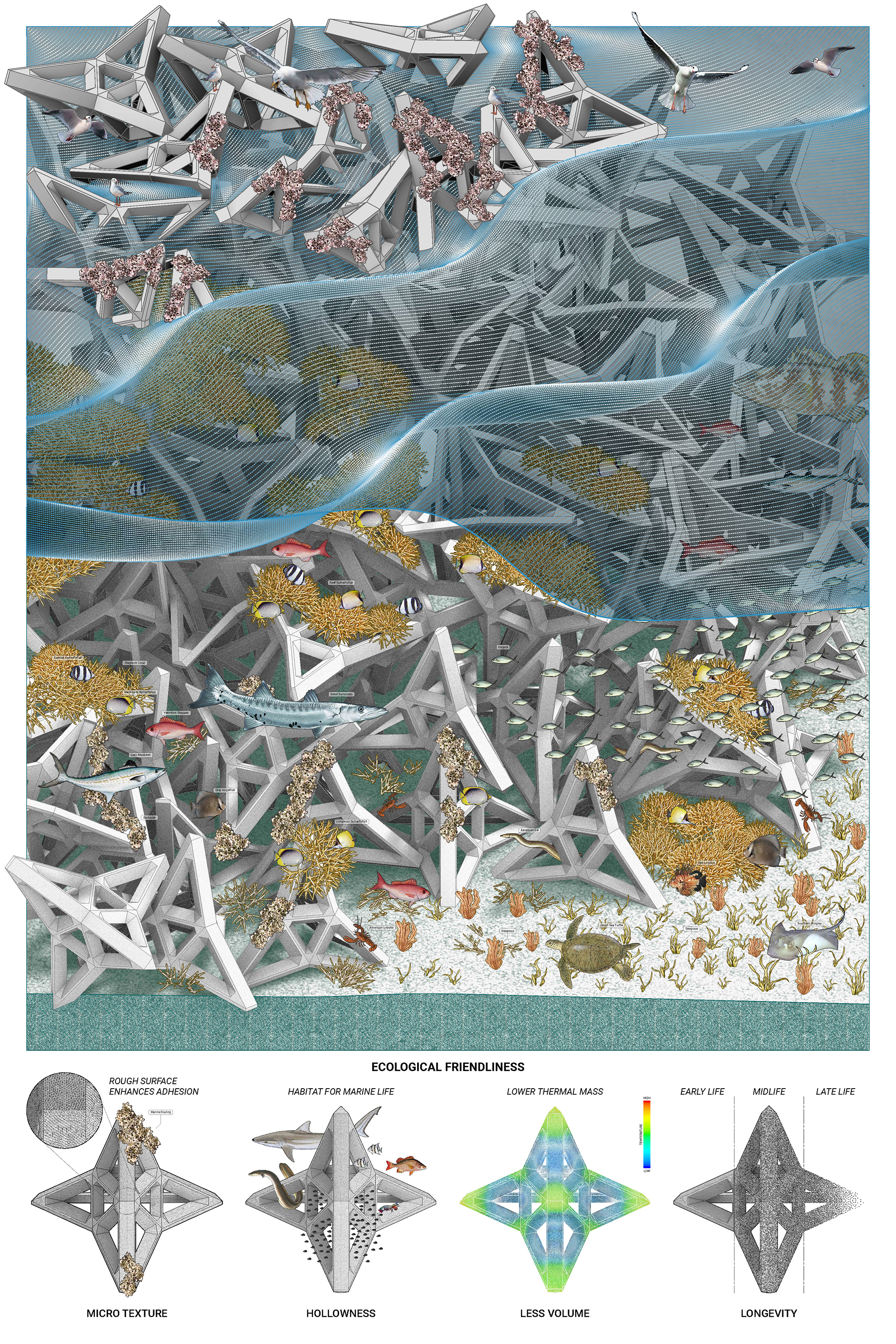
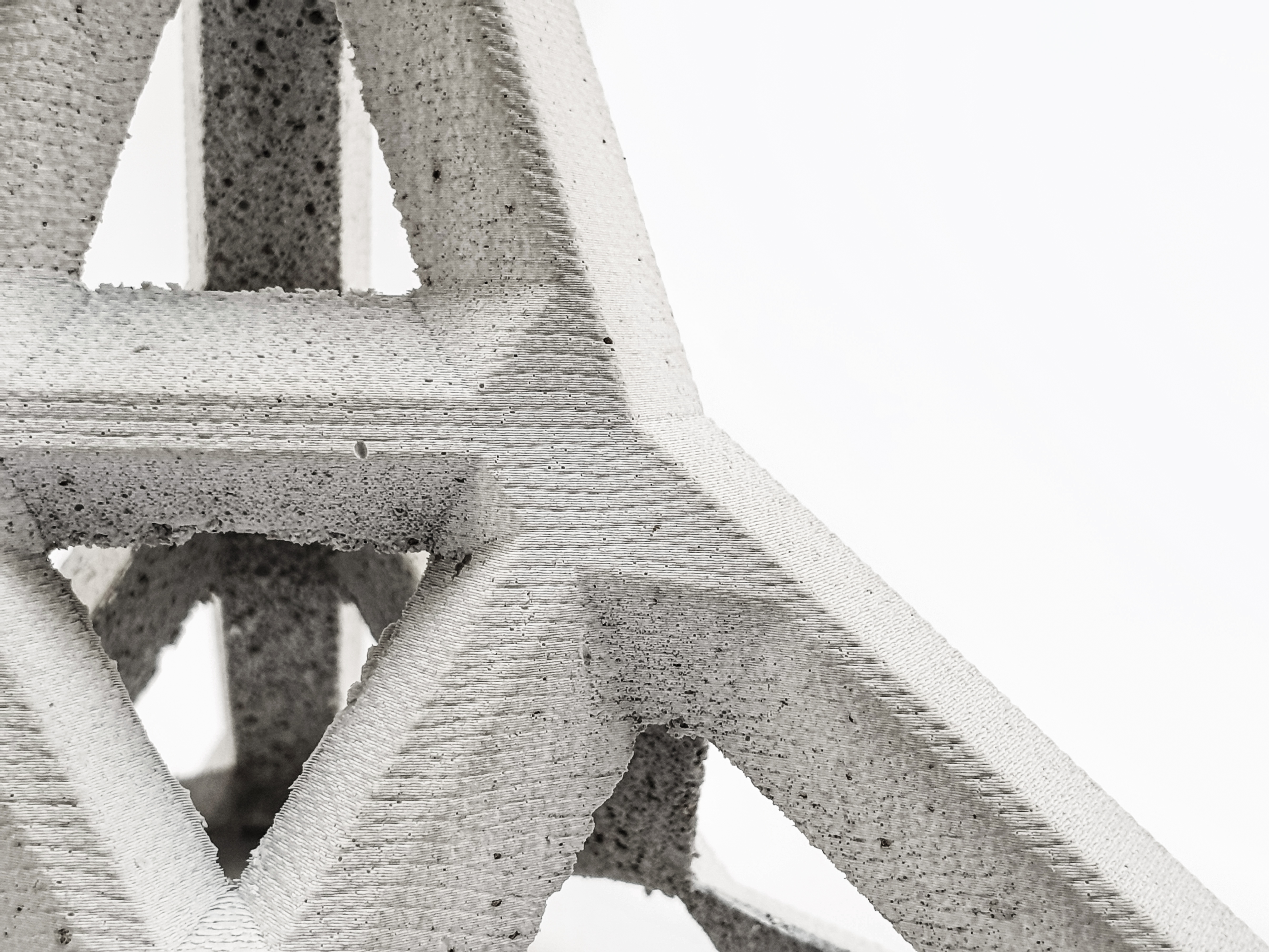
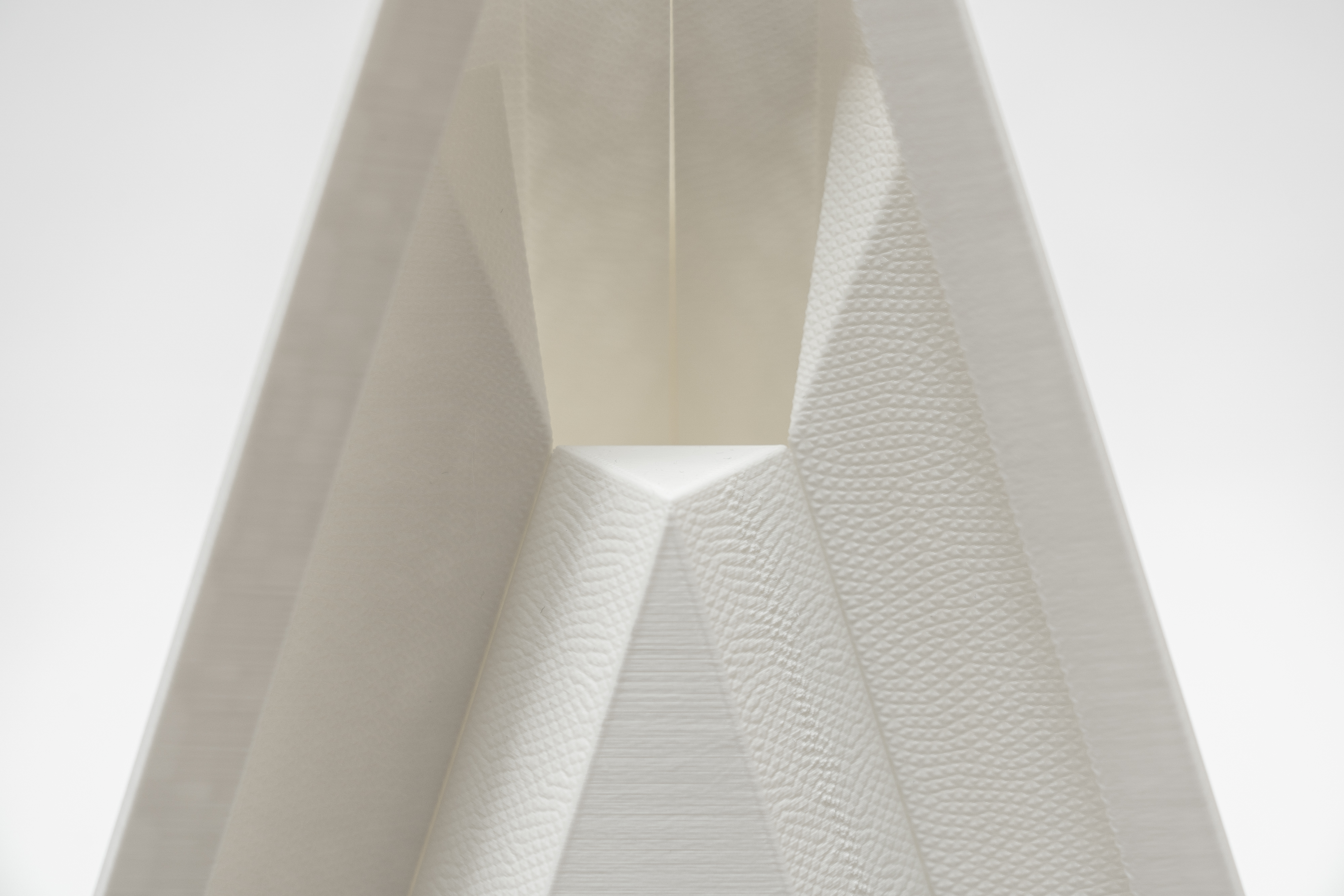
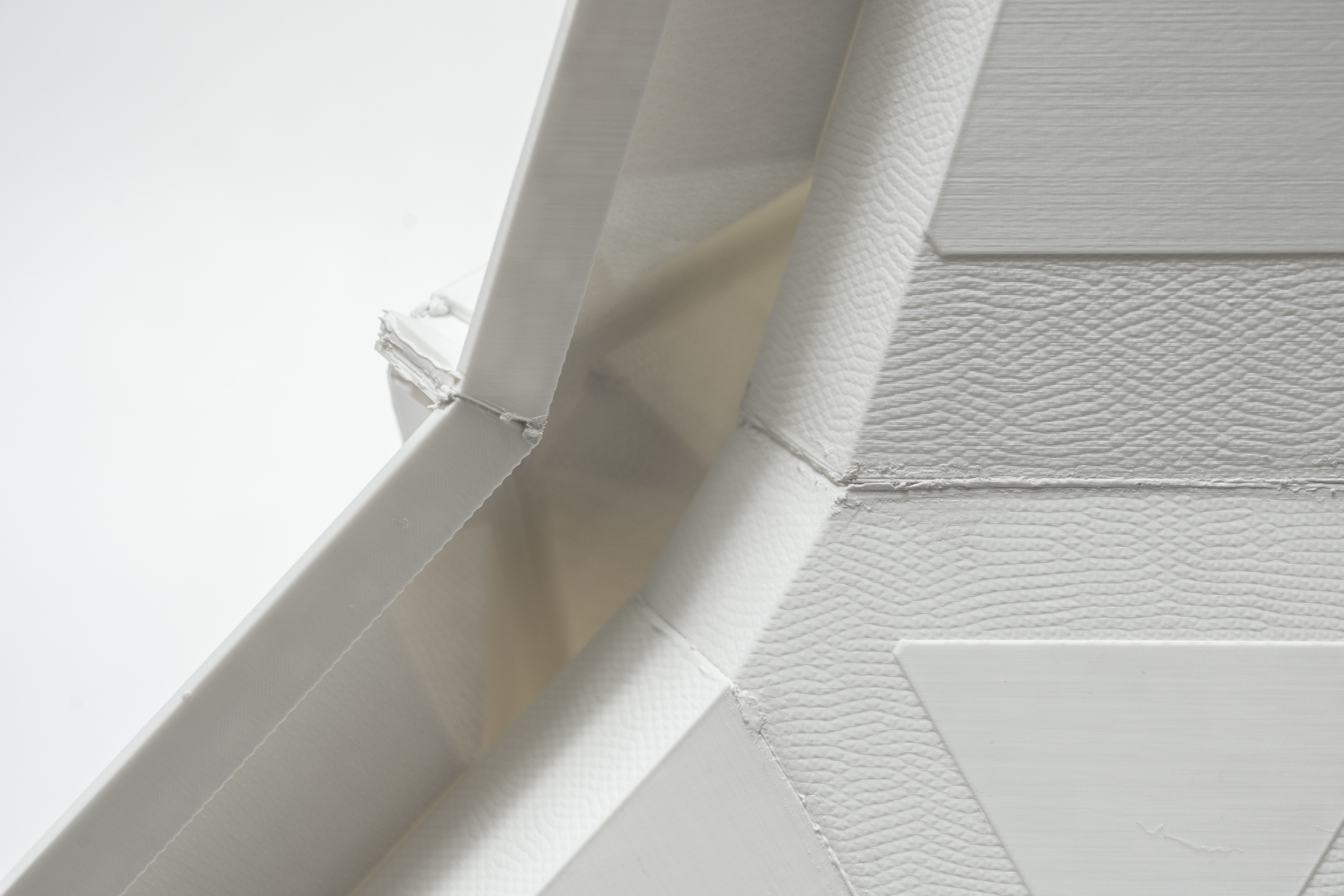
In the domain of ecological contributions, the incorporation of hollowness, voids, and microtexture into tetrapod structures presents an opportunity to establish ecological implications. These structural modifications not only augment the physical characteristics of the tetrapods but also establish them as ecological hubs within marine environments. By providing sheltered spaces and intricate surface textures, these features offer invaluable habitat opportunities for a diverse array of marine organisms, thereby fostering enhanced biodiversity and ecological resilience.
Moreover, the reduced concrete volume inherent in these modified structures yields significant ecological benefits. This reduction in mass not only minimizes the carbon footprint associated with their production but also causes a notable decrease in the thermal mass of the structure. As a result, the modified tetrapods contribute to the mitigation of water temperature fluctuations, creating a more ecologically friendly environment for marine life to thrive.
Furthermore, the exploration of alternative materials, particularly biodegradable substances, underlines a proactive approach to sustainability and environmental stewardship. By integrating these materials into tetrapod construction, there is potential to exert greater control over the lifespan and ecological impact of these structures. Such materials not only offer structural support but also serve as platforms for natural breakwater formations, such as coral reefs. This symbiotic relationship between tetrapods and surrounding ecosystems not only enhances coastal protection but also fosters the regeneration and proliferation of vital marine habitats.
As these modified tetrapods serve their intended purposes, they will go through a gradual process of natural transformation, influenced by erosion and weathering. This gradual evolution is not only a natural occurrence but also a beneficial one, as it allows the tetrapods to seamlessly integrate back into the surrounding marine environment. By breaking down over time, these structures contribute to the replenishment of marine ecosystems, fostering a cycle of ecological renewal and sustainability. This process of natural degradation ensures that the tetrapods do not pose a long-term threat to the marine environment but instead become part of its dynamic and ever-changing landscape, promoting the health and resilience of coastal ecosystems.
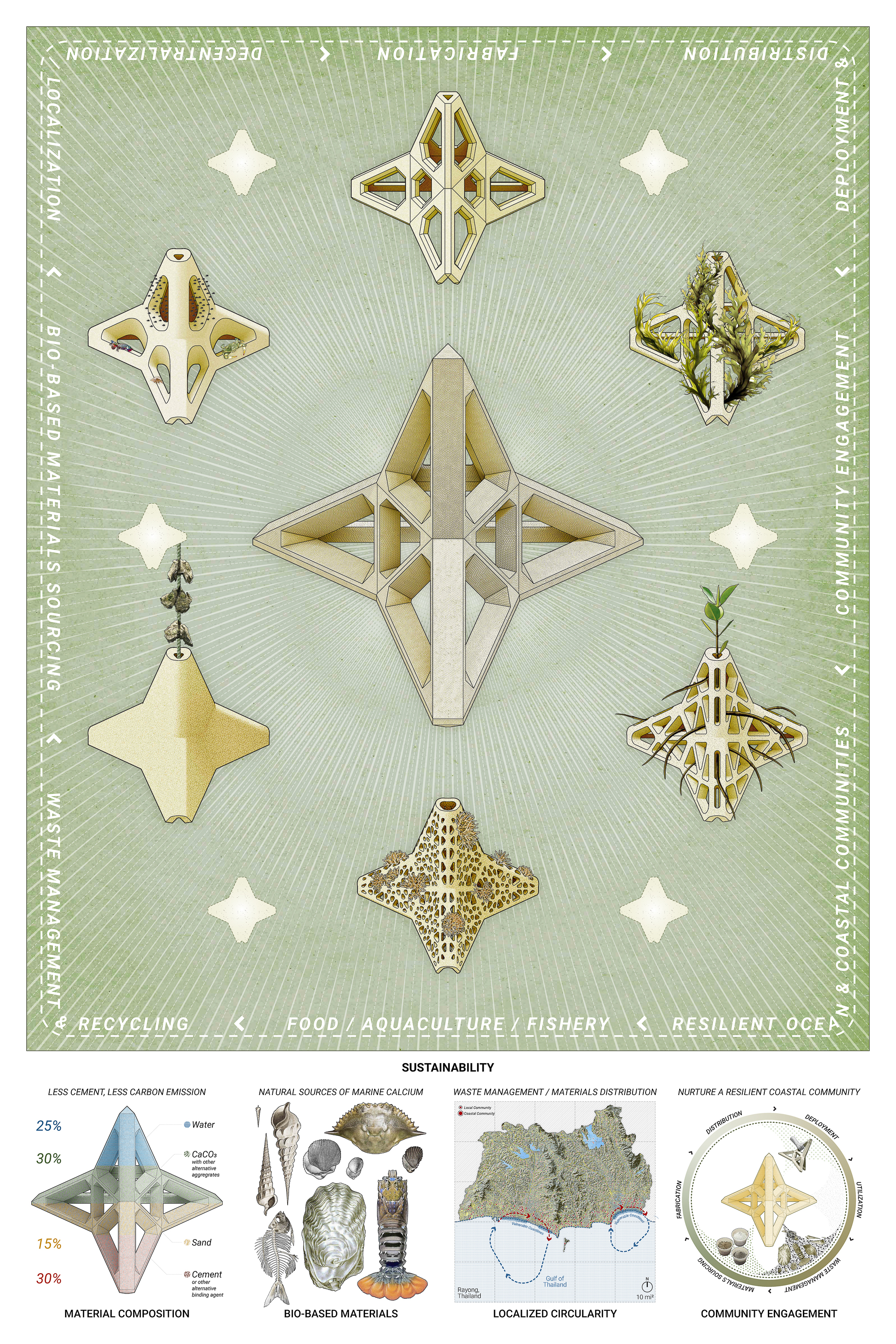
In terms of sustainability, the proposed methodology offers control over parameters, enabling the adaptability of variants of tetrapods tailored for various purposes.
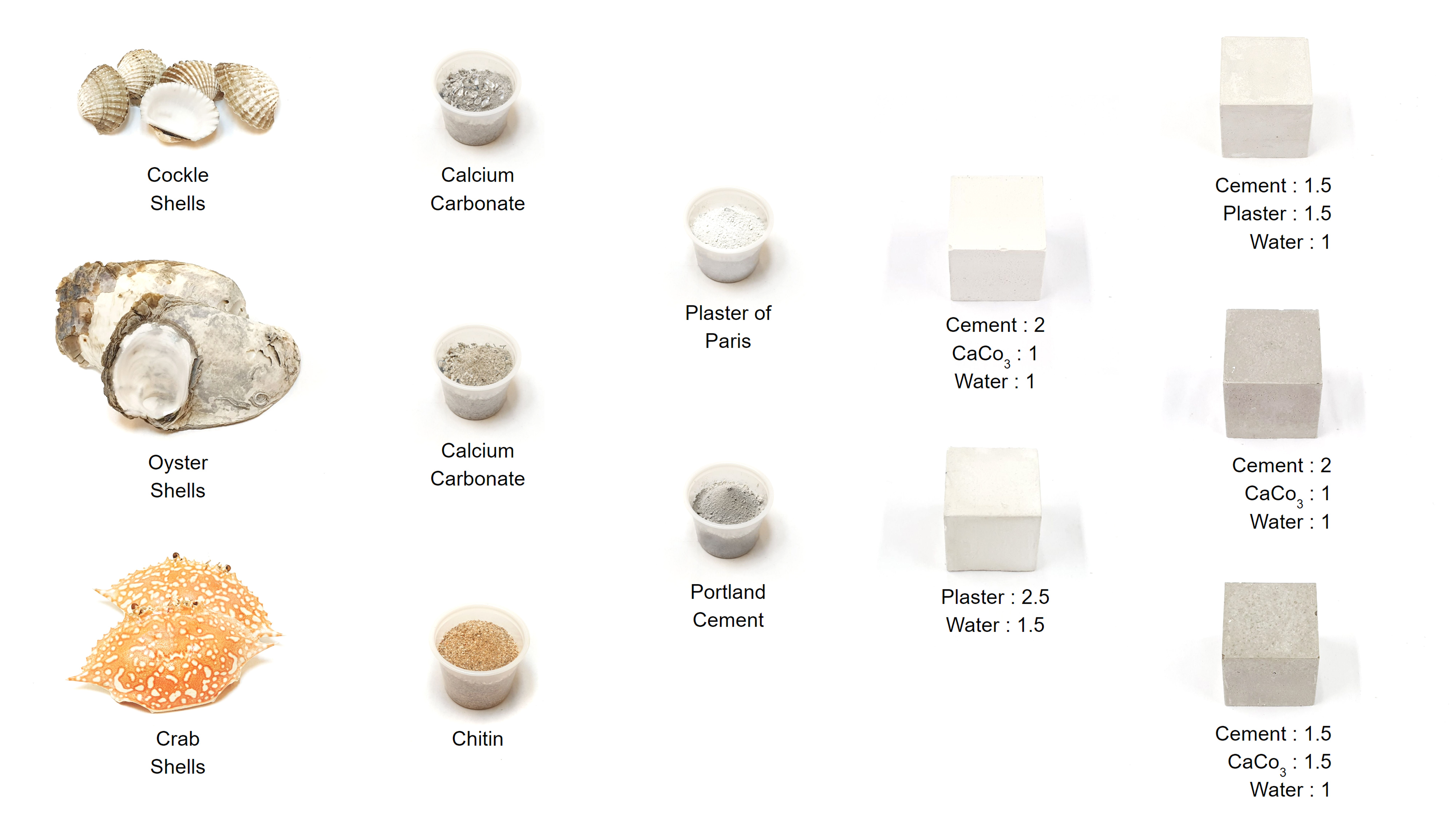
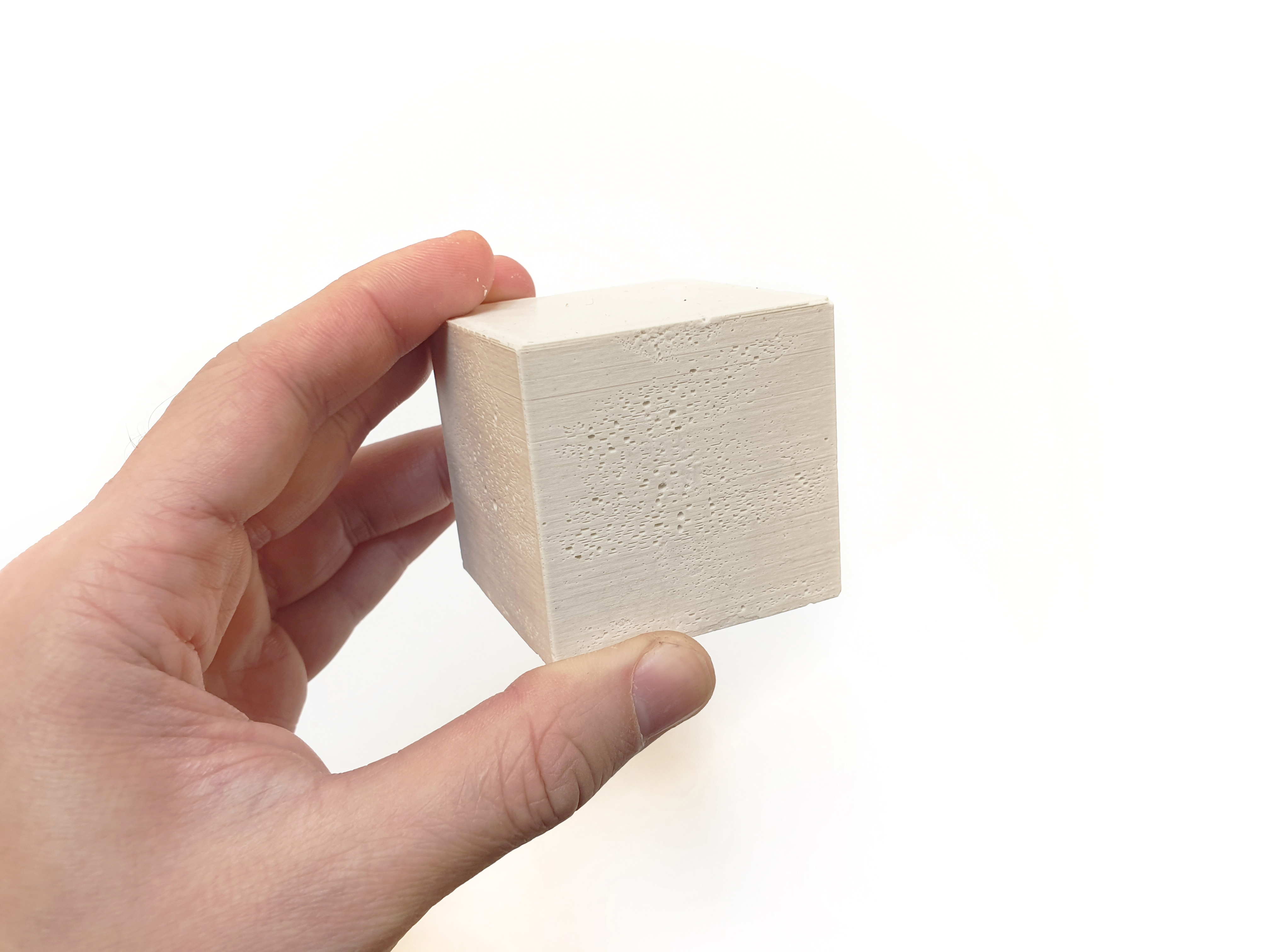
Furthermore, biodegradable resources such as shellfish waste sourced from fisheries, aquaculture, and food industries present viable substitutes for cement in casting tetrapods, consequently reducing carbon emissions. Additionally, these alternative materials offer the supplementary benefit of calcium carbonate, thereby augmenting the structural integrity of concrete compositions.
Moreover, the concept of material circularity also holds particular relevance, given the prevalence of relevant industries along coastal regions. The implementation of waste management initiatives within these areas represents a proactive measure to alleviate environmental burdens. Moreover, involving local communities in waste collection endeavors not only fosters community engagement but also cultivates enduring sustainability within coastal protection endeavors. This holistic approach serves to optimize environmental advantages while concurrently stimulating community involvement in sustainable practices.
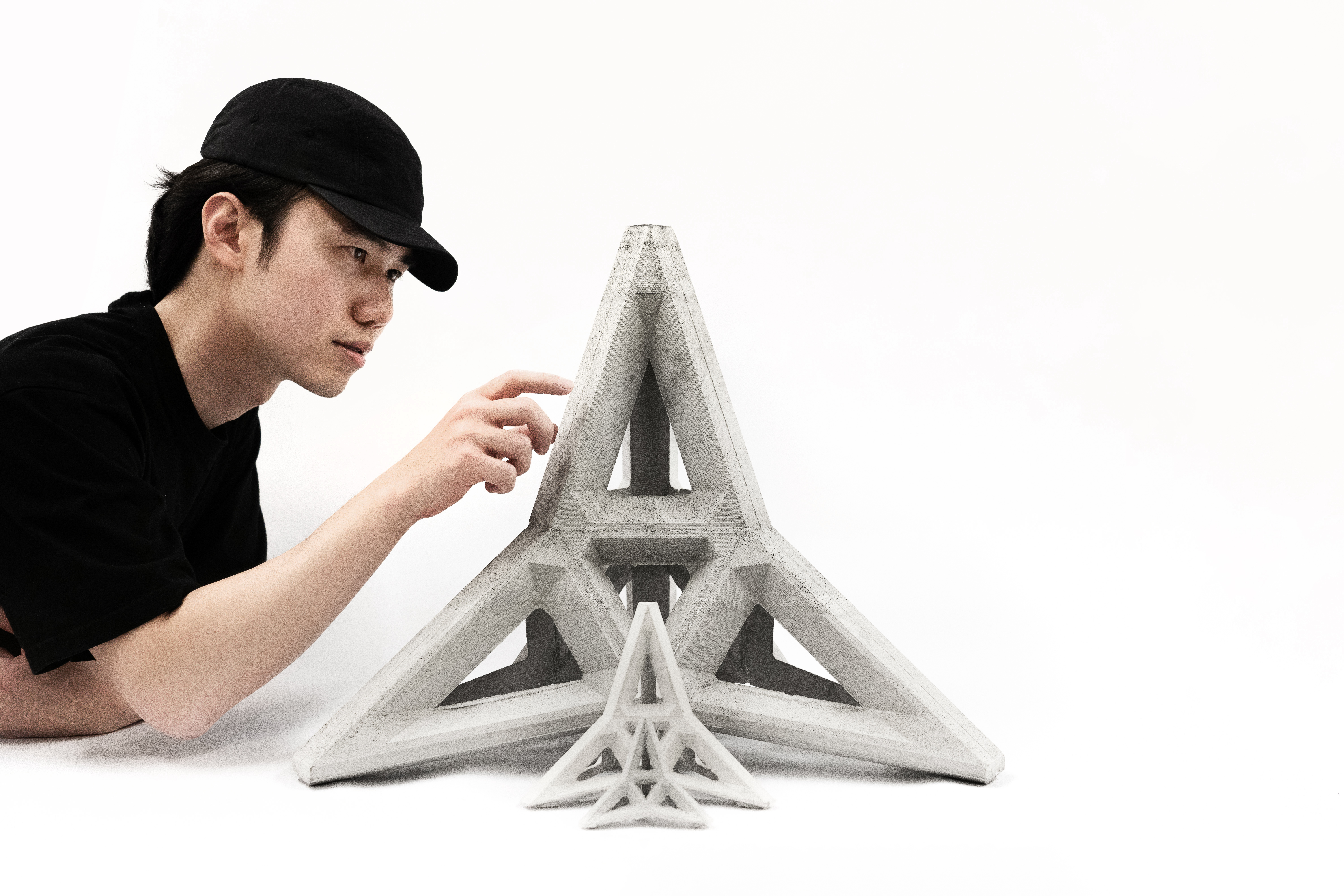
Additionally, the refined design significantly reduces the mass and weight of the tetrapod structure. Comparing it to the original, the refined design constitutes approximately 39% of the original mass. With the presence of voids factored in, the mass further diminishes to just approximately 29% of the original. This reduction in material usage results in a smaller carbon footprint, lower thermal mass, decreased energy consumption, enhanced mobility, and other positive environmental implications.
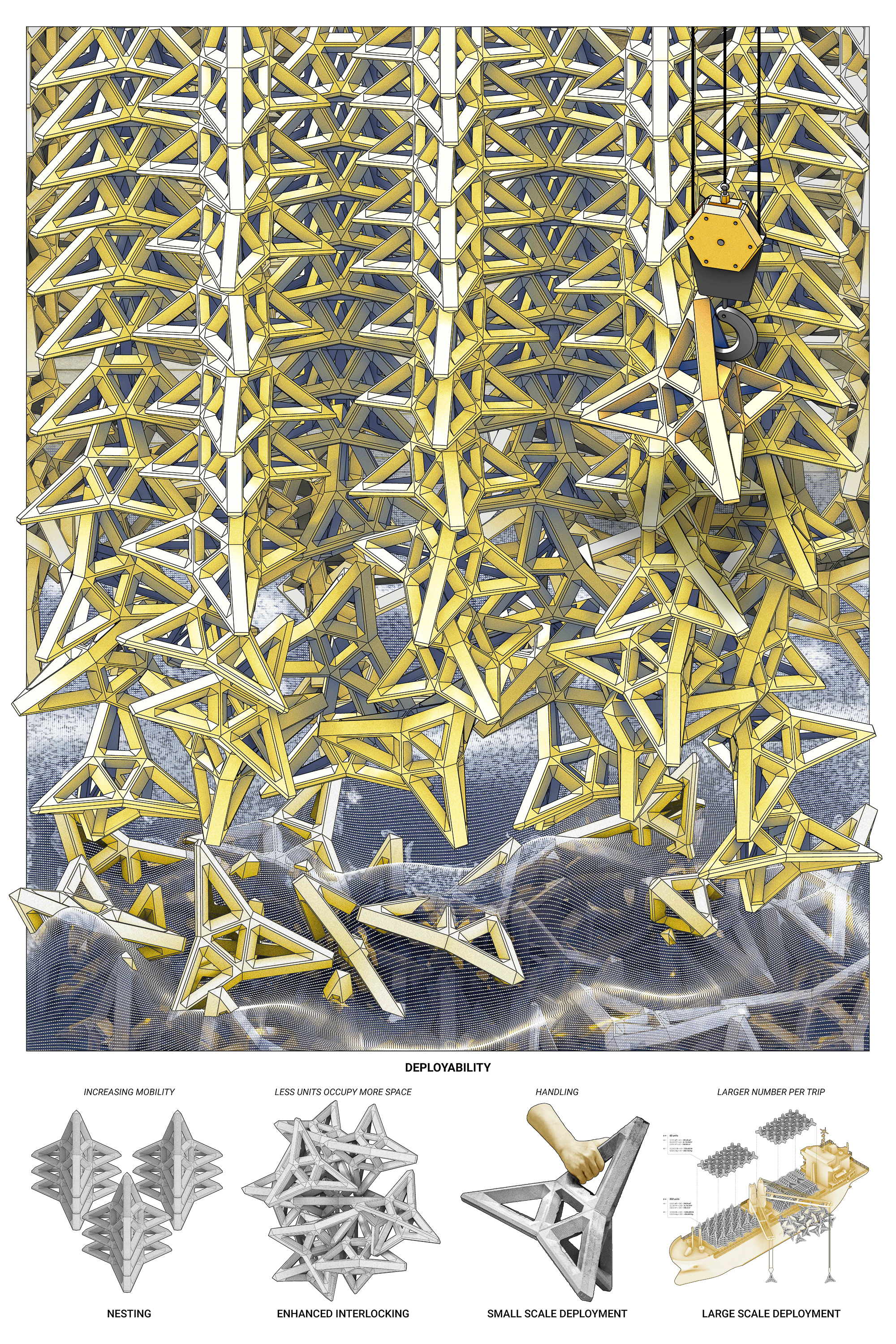
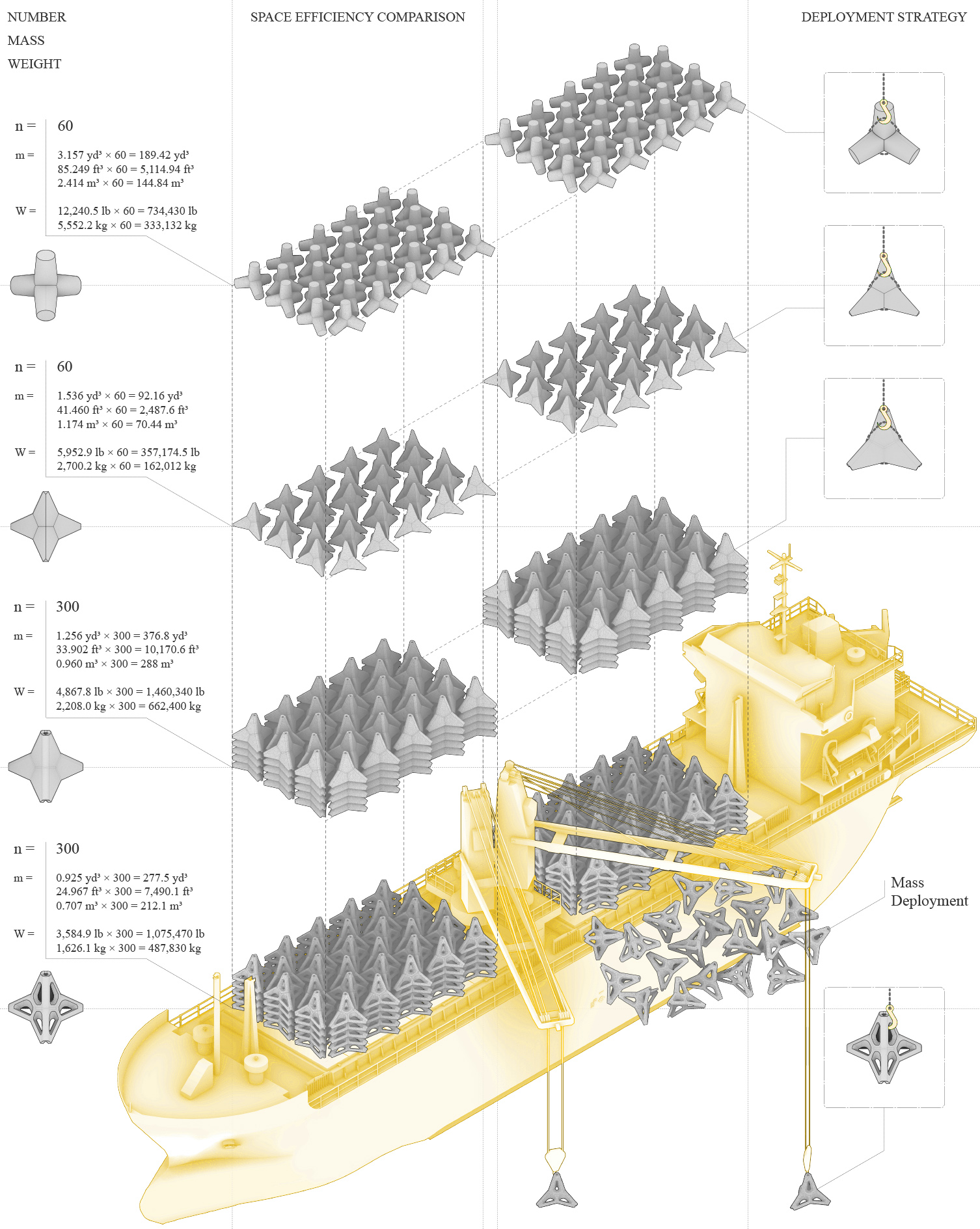
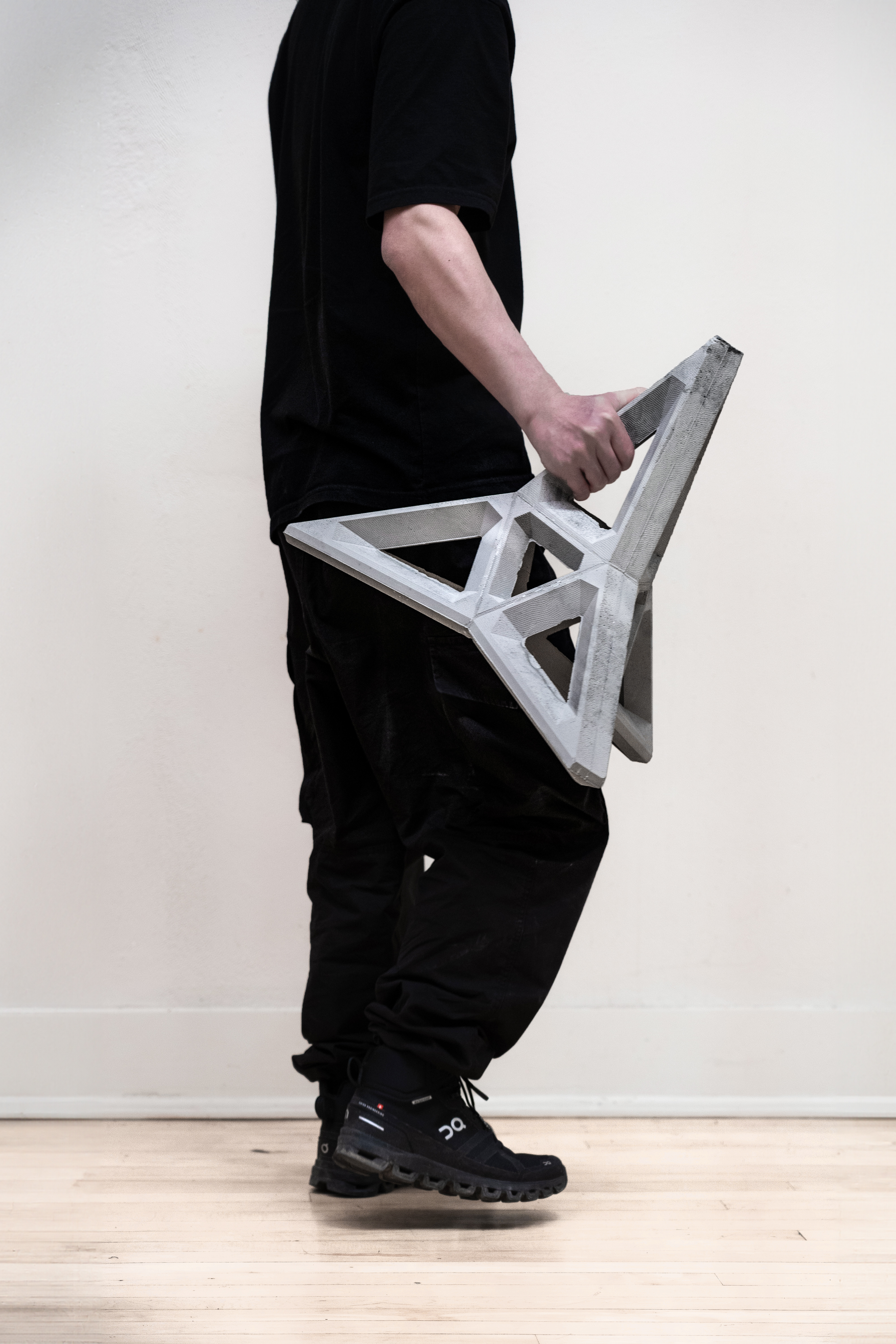
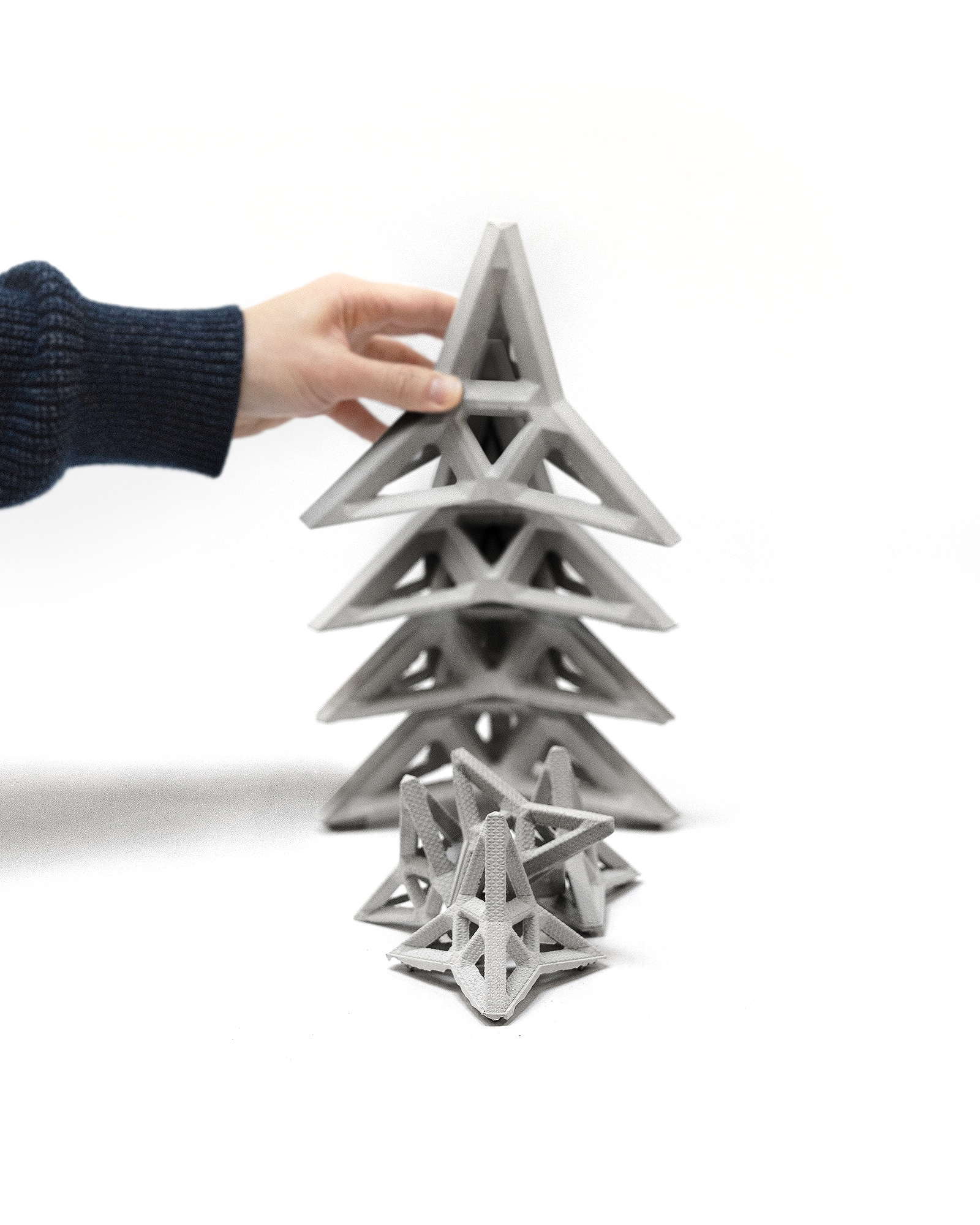
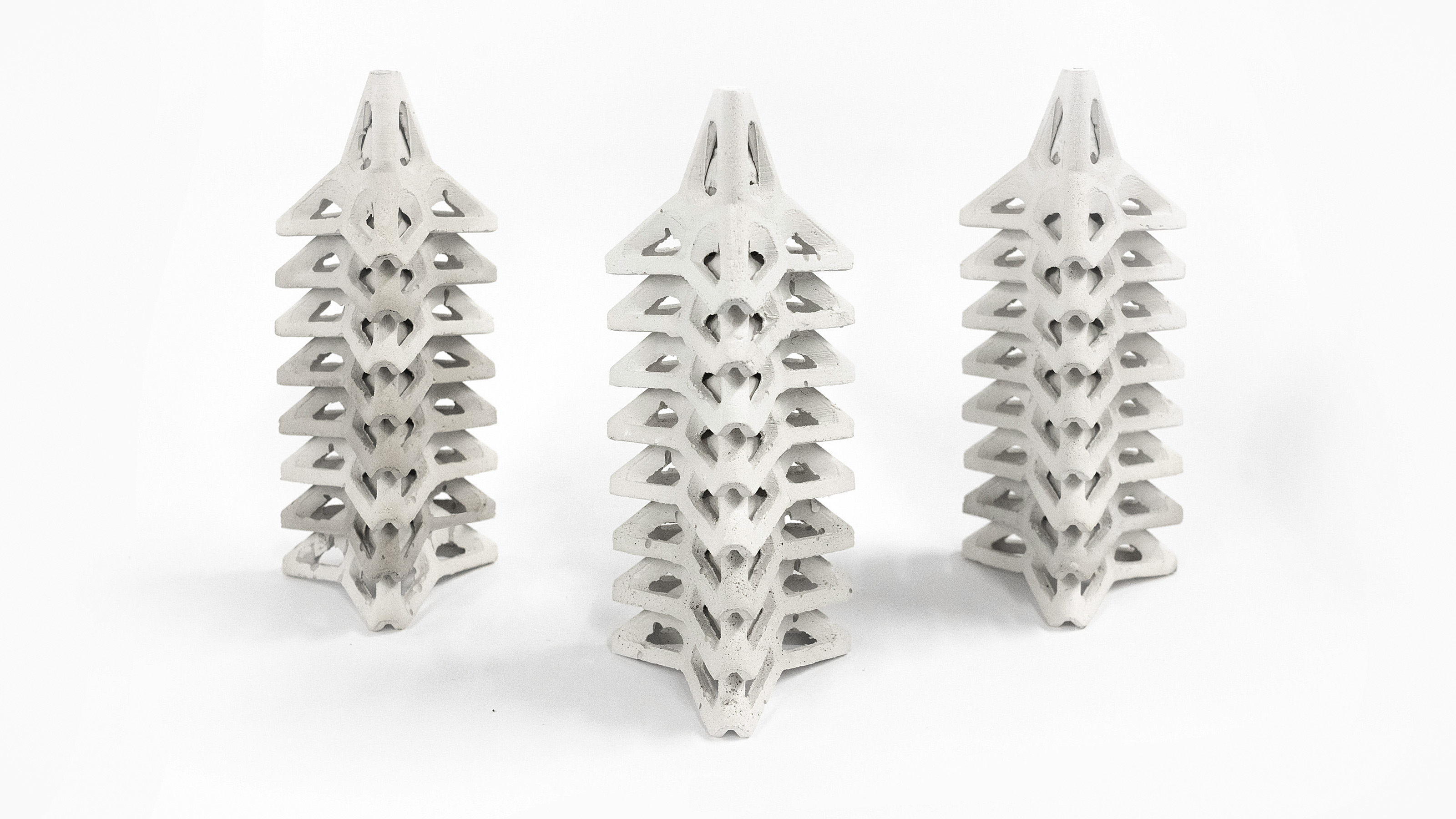
In assessing mobility and deployability, the refined design of tetrapods exhibits significant advantages when considering transportation on ships. When accounting for the same volume occupied by tetrapods, the refined design allows for the delivery of up to five times more units in a single trip compared to the designs at the top. This increased efficiency is attributed to the voids in the tetrapod structure, facilitating easier deployment. Unlike the original designs that require a cable or an embedded hook in the tetrapod for component transportation during deployment, the latest design can be effortlessly carried using only a hook from a crane. Additionally, the refined design opens avenues for implementing mass deployment strategies, further enhancing the overall efficiency and versatility of the tetrapod transportation process.
In addition to those benefits, the introduction of voids in the refined tetrapod design enhances its original feature of self-aggregation. The voids and the leaner structure contribute to reducing the overall mass, while sharper tips increase the potential for interlocking during deployment and promote the porosity of the structure, significantly enhancing stability. This promotes a more robust and naturally interconnected configuration of tetrapods, effectively strengthening the coastal protection system to address coastal erosion challenges.
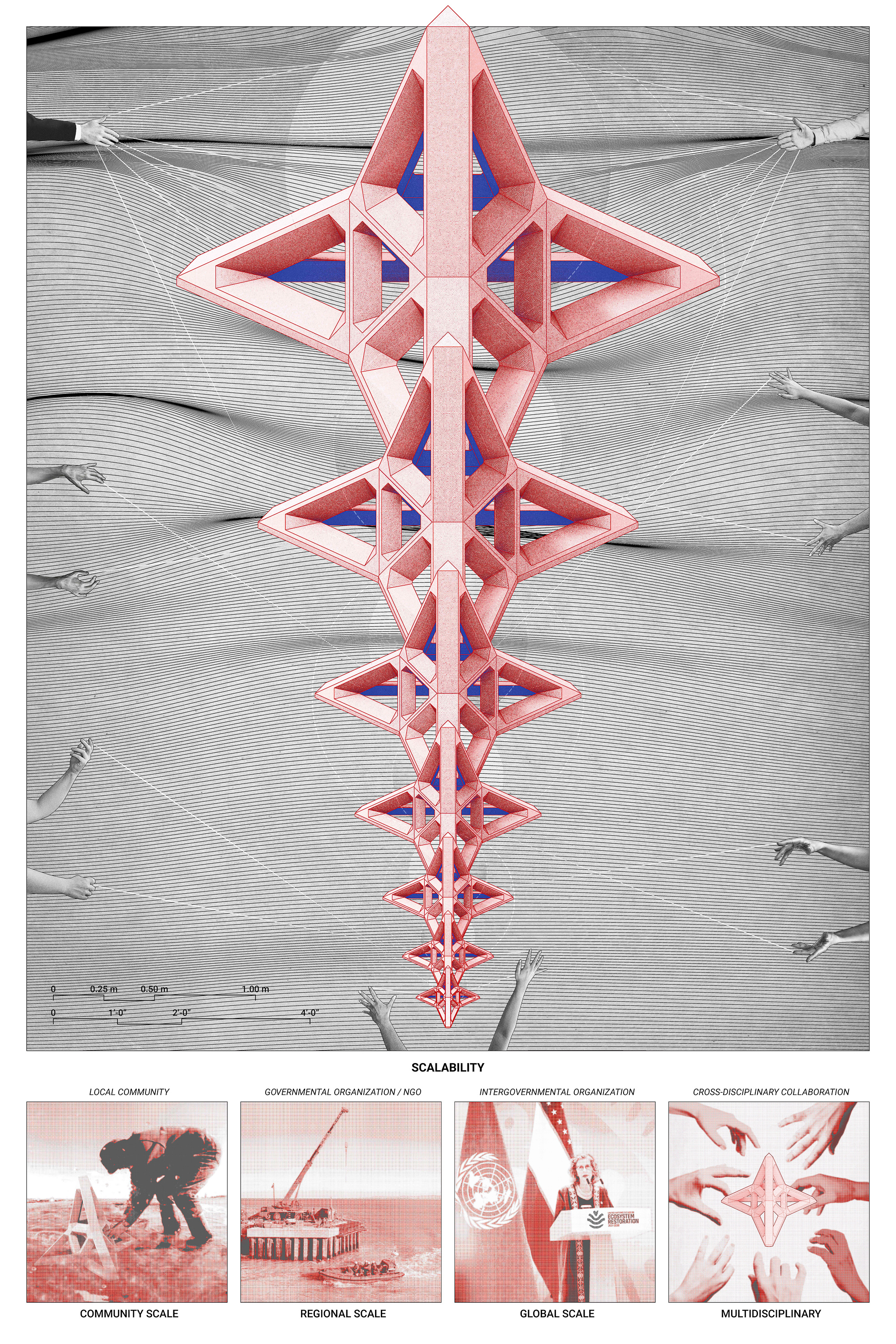
In terms of scalability, casting fabrication is highly advantageous over 3D printing and other methods due to its inherent ability to mass-produce multiple units simultaneously. By replicating molds quickly and inexpensively, casting enables the efficient production of large quantities of identical components. This scalability is particularly crucial for projects requiring the deployment of numerous tetrapods along extensive coastlines, where large volumes of units are necessary to effectively mitigate coastal erosion.
Moreover, casting's versatility extends to its compatibility with a wide range of materials, enhancing its applicability across various industries and project requirements. Whether utilizing traditional concrete or exploring innovative eco-friendly materials, casting provides the flexibility needed to adapt to diverse environmental and engineering needs.
In addition to its physical scalability, the project's potential for policy-oriented partnerships spans multiple scales, offering opportunities for collaboration with global, regional, and community-based organizations. At the global level, partnering with institutions like the United Nations Environment Programme (UNEP), the World Wildlife Fund (WWF), and the Global Coral Reef Alliance can provide invaluable support and advocacy for coastal protection initiatives. Regionally, engagement with governmental organizations such as the National Oceanic and Atmospheric Administration (NOAA), Climate Action Funds, and Green Climate Funds can facilitate regional coordination and funding opportunities. At the community level, collaborations with local organizations such as the Coral Restoration Foundation, Coral Guardian, and Ocean Conservancy can harness local expertise and community engagement for project implementation and impact.
Furthermore, interdisciplinary collaboration across fields such as Material Science, Marine Engineering, Marine Ecology, and Marine Logistics holds immense potential for advancing tetrapod technology. By integrating insights and expertise from diverse disciplines, the project can benefit from innovative solutions and holistic approaches to coastal protection and marine conservation. This multidisciplinary collaboration ensures that tetrapod designs are not only scalable and effective but also ecologically sustainable and socially inclusive, ultimately contributing to the long-term resilience of coastal ecosystems.
Further Exploration :
- Multidisciplinary Collaboration for Enhanced Tetrapods: engaging experts from diverse fields such as Material Science, Structural Engineering, Ecology, and Social Sciences can provide comprehensive insights into improving tetrapod design and implementation. By integrating expertise from these disciplines, innovative solutions can be developed to address challenges related to structural integrity, environmental impact, community engagement, and scalability.
- Structural Integrity and Material Homogeneity: while the incorporation of bio-based materials, including oyster shells and shellfish, introduces sustainability, concerns arise regarding structural integrity. By conducting rigorous testing and analysis, researchers can optimize the composition of bio-based materials to ensure compatibility with cement-based components, thereby enhancing the overall strength and uniformity of tetrapod structures. However, a collaboration between materials scientists and engineers is necessary to ensure promising results.
- Long-Term Durability and Maintenance: the use of cement-based materials mixed with bio-based elements raises questions about long-term durability. Assessing the resilience of the tetrapods over extended periods is crucial to ensure they withstand environmental stressors. Special maintenance requirements may arise due to the combination of materials, demanding careful consideration for effective upkeep.
- Environmental Impact and Bio-based Material Sourcing: while the use of bio-based materials aligns with sustainability goals, the overall environmental impact requires inspection. Collaboration between ecologists, environmental scientists, and supply chain specialists can address concerns related to the environmental impact and sourcing of bio-based materials. Additionally, well-considered strategies must be introduced to ensure that collecting these natural sources of calcium carbonate will not disrupt local ecosystems. Conducting a comprehensive life cycle assessment, including sourcing oyster shells and shellfish, is crucial to determine the net environmental benefit. Ensuring responsible bio-based material sourcing is essential to avoid negative impacts on marine ecosystems.
- Community Engagement and Social Impacts: widely recognized as the most employed structure globally for coastal protection, the tetrapod's scalability is distinct evidence of its effectiveness. Enhancing its design or creating viable substitutes holds the potential for monumental contributions. Innovations in this realm not only improve the resilience of existing structures but also open avenues for broader applications, addressing coastal protection needs on a global scale.
-
Scalability, Production Efficiency:
incorporating bio-based materials may present challenges in terms of scalability and production efficiency. Collaboration between production engineers, materials scientists, and fabrication experts can optimize production processes to accommodate bio-based materials and enhance scalability. By developing efficient casting techniques and scaling up production facilities, the researcher can ensure the cost-effectiveness and feasibility of tetrapod deployment on a larger scale.
In conclusion, multidisciplinary collaboration plays a crucial role in addressing the various challenges and opportunities associated with tetrapod design and implementation. By leveraging diverse expertise and perspectives, the researcher can develop innovative solutions that enhance the effectiveness, sustainability, and societal impact of tetrapod projects. Additionally, addressing the mentioned critiques is essential for ensuring the success and sustainability of the proposed approach. Thorough scientific testing, consideration of ecological, structural, and societal aspects, and ongoing community engagement are also crucial for the methodology's feasibility on a broader scale.